Top 5 Renewable Energy Sources for Home Power
Explore the best renewable energy sources for powering your home. Learn about solar, wind, and geothermal options for sustainable living.
Explore the best renewable energy sources for powering your home. Learn about solar, wind, and geothermal options for sustainable living.
Top 5 Renewable Energy Sources for Home Power
Hey there, eco-conscious homeowner! Ever thought about ditching those sky-high electricity bills and doing your bit for Mother Earth at the same time? Well, you're in the right place! Powering your home with renewable energy isn't just a pipe dream anymore; it's a tangible, increasingly affordable reality. We're talking about harnessing the endless power of nature – the sun, the wind, the earth itself – to keep your lights on, your water hot, and your gadgets charged. It's a fantastic way to reduce your carbon footprint, gain energy independence, and often, save a pretty penny in the long run. But with so many options out there, where do you even begin? Don't sweat it! We're here to break down the top 5 renewable energy sources for home power, giving you the lowdown on how they work, what they cost, and which might be the perfect fit for your sustainable lifestyle. Let's dive in!
Solar Power Harnessing the Sun's Energy for Your Home
When most people think of renewable home energy, solar panels are usually the first thing that comes to mind, and for good reason! Solar power is arguably the most popular and accessible option for homeowners looking to go green. It works by converting sunlight into electricity using photovoltaic (PV) cells. These cells are typically grouped into panels, which are then installed on your roof or in a sunny spot on your property. The DC electricity generated by the panels is then converted into AC electricity by an inverter, making it usable for all your household appliances.
How Solar Panels Work for Residential Use
Imagine tiny semiconductors in your solar panels catching sunlight. When photons from the sun hit these semiconductors, they knock electrons loose, creating an electric current. This is direct current (DC) electricity. Since most home appliances run on alternating current (AC), an inverter is crucial. It takes that DC power and flips it into AC, ready to power your fridge, TV, and everything in between. Any excess electricity you generate can often be sent back to the grid, earning you credits through a process called net metering. This means you're essentially selling your surplus power back to the utility company, which can significantly reduce or even eliminate your electricity bill.
Benefits and Considerations of Solar Energy Systems
The benefits of solar power are pretty compelling. First off, you're looking at significantly reduced or even zero electricity bills. That's a huge win for your wallet! Plus, you're dramatically cutting down your carbon emissions, contributing to a healthier planet. Solar systems also increase your home's value and offer energy independence, protecting you from rising utility costs. On the flip side, the initial installation cost can be substantial, though various government incentives and tax credits can help offset this. The efficiency of your system depends on sunlight availability, so cloudy days or shaded roofs can impact performance. Maintenance is generally low, but occasional cleaning and monitoring are needed.
Recommended Solar Panel Systems and Pricing
When it comes to specific products, there's a wide range. For a typical 5kW residential system (which can cover a good portion of an average home's electricity needs), you might consider brands like LG NeON R, known for their high efficiency and sleek design, or SunPower Maxeon panels, which boast excellent durability and performance, especially in less-than-ideal conditions. Another popular choice is REC Alpha Pure-R, offering a good balance of efficiency and value. The cost for a 5kW system in the US can range from $15,000 to $25,000 before incentives, depending on your location, installer, and specific equipment. In Southeast Asia, prices can be lower, often ranging from $10,000 to $20,000 for a similar system, though local incentives might vary significantly. Installation typically takes a few days, and most systems come with a 25-year performance warranty.
Wind Power Harnessing the Breeze for Home Electricity
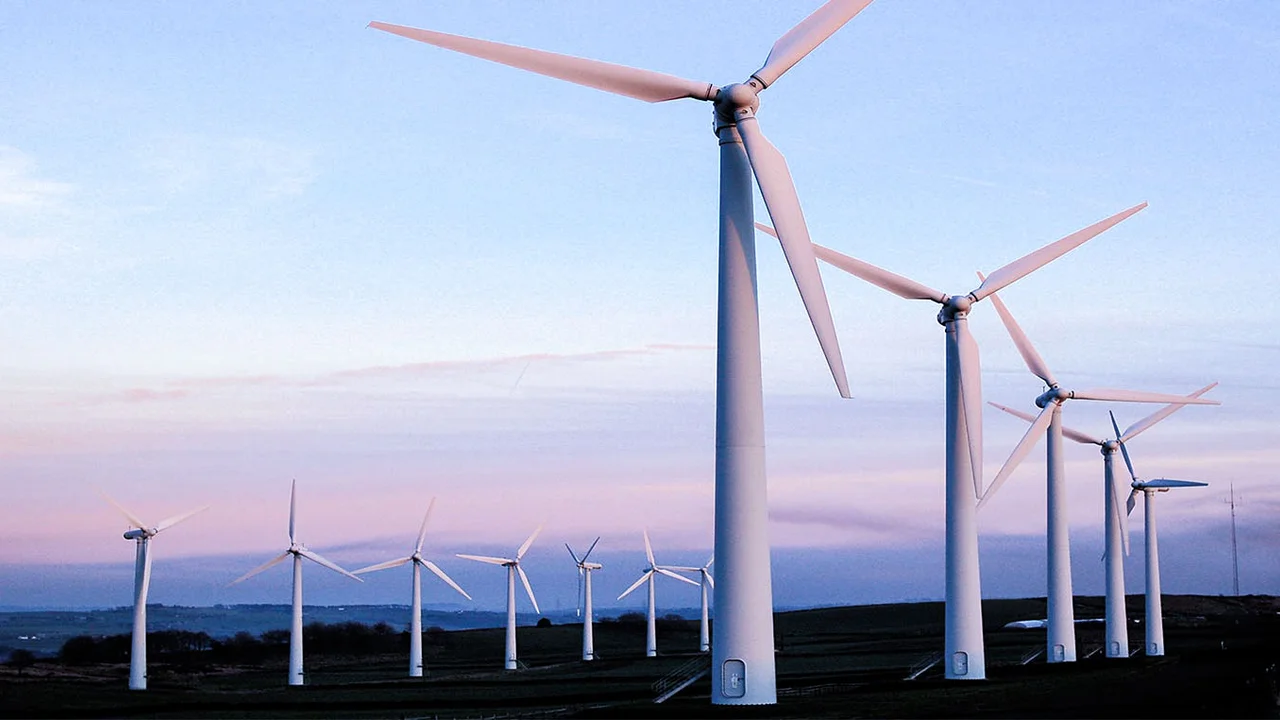
While not as common for urban residential settings as solar, small-scale wind turbines can be an excellent option for homeowners with sufficient land and consistent wind resources. Think rural properties, farms, or homes in open, windy areas. Wind power works by using the kinetic energy of the wind to spin turbine blades, which then turn a generator to produce electricity. It's essentially a miniature version of those giant wind farms you see, scaled down for home use.
How Small Wind Turbines Generate Power
It's pretty straightforward: the wind blows, the blades spin, and that rotational energy drives a generator. This generator then produces electricity, much like a car's alternator. Similar to solar, this electricity can be used directly in your home, stored in batteries, or fed back into the grid. The key here is consistent wind speed. A turbine needs a certain average wind speed to operate efficiently and generate a meaningful amount of power. That's why site assessment is crucial for wind power.
Advantages and Challenges of Residential Wind Energy
The main advantage of wind power is its ability to generate electricity even when the sun isn't shining, making it a great complement to solar in a hybrid system. Wind is also a completely free and abundant resource in many areas. However, there are significant challenges. You need a good amount of land and an unobstructed wind path, meaning no tall buildings or trees nearby. Noise can be a concern for some, though modern small turbines are much quieter. Permitting can also be more complex than for solar, and the initial cost can be high. Maintenance involves checking blades and mechanical components periodically.
Recommended Small Wind Turbines and Cost Estimates
For residential use, you're typically looking at turbines in the 1kW to 10kW range. Brands like Skystream 3.7 (now part of XZERES Wind) are popular for their reliability and relatively quiet operation, often suitable for homes with moderate energy needs. Another option is the Bergey Excel 10, a more robust system for higher energy demands. A 5kW residential wind turbine system can cost anywhere from $20,000 to $50,000 installed, depending on the turbine model, tower height, and installation complexity. This price range is generally applicable to both the US and Southeast Asian markets, though local labor costs and shipping can influence the final figure. These systems are a long-term investment, with a lifespan of 20-25 years or more.
Geothermal Energy Tapping into Earth's Constant Temperature
Geothermal energy for homes isn't about generating electricity directly (though large-scale geothermal plants do that). Instead, it's about using the Earth's stable underground temperature to provide highly efficient heating and cooling. Just a few feet below the surface, the ground maintains a relatively constant temperature year-round, regardless of the air temperature above. Geothermal heat pumps (GHPs) leverage this phenomenon to transfer heat to or from your home.
How Geothermal Heat Pumps Work for Home Climate Control
A geothermal system consists of an indoor heat pump unit and an underground loop system. In winter, the loop absorbs heat from the warmer earth and transfers it to the heat pump, which then distributes it throughout your home. In summer, the process reverses: the heat pump extracts heat from your home and transfers it into the cooler earth. It's like your refrigerator, but on a much larger scale, moving heat rather than creating it. This makes it incredibly efficient because it's simply moving existing heat, not generating it through combustion.
Benefits and Installation Considerations for Geothermal Systems
The biggest benefit of geothermal is its incredible efficiency. GHPs can be 300-600% efficient, meaning for every unit of electricity they consume, they deliver 3 to 6 units of heating or cooling. This translates to significantly lower utility bills, often 25-70% less than conventional systems. They're also very quiet, have a long lifespan (the underground loops can last 50+ years!), and have a minimal environmental impact. The main hurdle is the high upfront installation cost, primarily due to the excavation required for the ground loops. This can be a significant investment, but the long-term savings and environmental benefits are substantial. Site suitability for drilling or trenching is also a key consideration.
Recommended Geothermal Heat Pump Brands and Costs
Leading brands in the geothermal heat pump market include WaterFurnace, known for their high-efficiency units and advanced controls, and Bosch Geothermal, offering reliable and quiet systems. ClimateMaster is another strong contender, providing a range of options for different home sizes and climates. The cost of installing a geothermal system can vary widely, typically ranging from $20,000 to $45,000 for a complete system in the US, depending on the size of your home, the type of ground loop (horizontal, vertical, pond), and local geological conditions. In Southeast Asia, while less common, costs could be similar or slightly lower, but finding experienced installers might be more challenging. However, the payback period, thanks to energy savings, can be as short as 5-10 years, making it a worthwhile investment for many.
Hydropower Small Scale Hydroelectric for Flowing Water
If you're lucky enough to have a consistent stream, river, or even a significant drop in elevation on your property with flowing water, small-scale hydropower could be a fantastic option. This method harnesses the energy of moving water to spin a turbine, which then generates electricity. It's one of the oldest forms of renewable energy and can provide a very reliable, continuous power source.
How Micro Hydro Systems Produce Electricity
A micro-hydro system typically involves diverting a portion of a stream's flow through a pipe (called a penstock) to a turbine. The force of the water spins the turbine, which is connected to a generator. The generator then produces electricity. The amount of power generated depends on two main factors: the 'head' (the vertical drop of the water) and the 'flow' (the volume of water moving per second). Even a small stream with a decent drop can generate enough power for a home or cabin.
Feasibility and Environmental Impact of Hydro Power
The primary advantage of micro-hydro is its consistency. Unlike solar or wind, water flow can be constant, providing 24/7 power. It's also very efficient. However, the feasibility is highly site-specific. You absolutely need a reliable water source with sufficient head and flow. Environmental considerations are also crucial; you must ensure your system doesn't negatively impact aquatic ecosystems or downstream water users. Permitting can be complex due to water rights and environmental regulations. Maintenance involves keeping the intake clear of debris and periodic checks of the turbine and generator.
Recommended Micro Hydro Systems and Investment
For residential micro-hydro, you're often looking at custom-designed systems, but some manufacturers offer off-the-shelf turbines. Brands like PowerSpout from New Zealand are well-regarded for their robust and efficient micro-hydro turbines, suitable for various head and flow conditions. Another option is Energy Systems & Design (ES&D), which offers a range of turbines and complete system packages. A typical micro-hydro system for a single home (generating 1kW to 5kW) can cost anywhere from $10,000 to $40,000 or more, depending on the site, the turbine size, the length of the penstock, and installation complexity. This includes the turbine, generator, controls, and installation. Given the niche nature, pricing in Southeast Asia would likely be similar, with local engineering and installation costs being a variable. The lifespan of these systems can be 30-50 years with proper maintenance, offering an excellent return on investment if your site is suitable.
Biomass Energy Sustainable Heating and Power from Organic Matter
Biomass energy involves using organic matter – like wood pellets, agricultural waste, or even specially grown energy crops – to produce heat or electricity. For residential use, the most common application is biomass heating, typically through wood pellet stoves or boilers. However, advanced systems can also generate electricity, though this is less common for single-family homes.
How Biomass Heating Systems Work for Homes
Residential biomass heating usually involves a pellet stove or boiler. These units burn compressed wood pellets (made from sawdust and wood waste) in a highly efficient and controlled manner. The heat generated can warm a single room (like a stove) or be integrated into your central heating system to heat your entire home and provide hot water (like a boiler). The key is that the carbon released during combustion is considered 'carbon neutral' because the plants from which the biomass originated absorbed that same amount of carbon dioxide during their growth, creating a closed carbon cycle.
Benefits and Environmental Considerations of Biomass
Biomass heating can be a very cost-effective way to heat your home, especially if you have access to affordable wood pellets or other biomass sources. It reduces reliance on fossil fuels and supports local economies if the biomass is sourced locally. Environmentally, it's considered carbon neutral, and modern pellet stoves are very clean-burning, with low particulate emissions. However, you need space to store the pellets, and you'll need to load the stove or boiler regularly (though automated systems exist). The availability and sustainability of biomass sources are also important considerations; ensuring the wood is sourced from sustainably managed forests is key.
Recommended Biomass Heating Systems and Pricing
For residential biomass heating, Harman Pellet Stoves are highly regarded for their efficiency, reliability, and advanced features, offering models that can heat various home sizes. Quadra-Fire is another popular brand, known for its durable and powerful pellet stoves. For whole-home heating, biomass boilers from companies like Froling or ETA (though these are more common in Europe) offer fully automated solutions. A high-quality pellet stove can range from $2,500 to $6,000, plus installation costs. A full biomass boiler system for central heating can be significantly more, ranging from $10,000 to $25,000, including installation and a pellet storage system. Pellet costs vary by region but are often competitive with or cheaper than fossil fuels. In Southeast Asia, while traditional wood burning is common, modern pellet stoves and boilers are gaining traction, with similar price points for imported units, and local biomass sources potentially offering cost advantages.
Choosing Your Sustainable Power Path Making the Right Decision
So, you've got the rundown on the top 5 renewable energy sources for home power. Now comes the exciting part: figuring out which one (or combination!) is right for you. It's not a one-size-fits-all situation, and what works perfectly for your neighbor might not be the best fit for your home and lifestyle. Let's talk about how to make an informed decision.
Assessing Your Home's Energy Needs and Location
First things first, get a clear picture of your current energy consumption. Look at your past electricity bills to understand your average usage in kilowatt-hours (kWh) per month. This will help you size your renewable energy system appropriately. Next, consider your location. Do you get a lot of sunshine? Solar is probably a strong contender. Is your property in a consistently windy area with open space? Wind might be viable. Do you have a stream or river nearby with a good drop? Micro-hydro could be your golden ticket. Is your land suitable for digging ground loops? Geothermal might be a winner. Even if you don't have a stream, every home can benefit from geothermal for heating and cooling. For biomass, consider the availability and cost of wood pellets in your area and if you have space for storage. Urban homes will lean heavily towards solar and geothermal, while rural properties have more options.
Understanding Initial Investment and Long Term Savings
Let's be real, the upfront cost of renewable energy systems can seem daunting. Solar panels, wind turbines, and geothermal heat pumps all require a significant initial investment. However, it's crucial to look beyond that initial sticker price and consider the long-term savings. These systems drastically reduce or eliminate your monthly utility bills, and many have a lifespan of 20-50 years. Calculate the payback period – how long it takes for your energy savings to offset the installation cost. Often, this period is surprisingly short, especially with incentives. Think of it as an investment in your home's future and the planet's health.
Exploring Government Incentives and Rebates for Green Energy
This is where things get really interesting! Governments worldwide, including the US and many Southeast Asian nations, offer a variety of incentives to encourage renewable energy adoption. In the US, the federal solar tax credit (Investment Tax Credit or ITC) can cover a significant percentage of your solar installation costs. Many states and local utilities also offer their own rebates, grants, and property tax exemptions for solar, wind, and geothermal. In Southeast Asia, countries like Thailand, Vietnam, and the Philippines are increasingly offering incentives for solar PV, net metering programs, and sometimes even feed-in tariffs for renewable energy. Do your homework! Researching these incentives can dramatically reduce your net cost and make renewable energy much more affordable. A good installer will often help you navigate these programs.
The Role of Energy Storage Battery Systems
While not strictly a renewable energy source itself, energy storage, primarily through battery systems, plays a crucial role in maximizing the benefits of intermittent sources like solar and wind. A solar panel system with a battery, for example, can store excess electricity generated during the day and use it at night or during power outages. This increases your energy independence and can further reduce your reliance on the grid. Brands like Tesla Powerwall, Enphase Encharge, and LG Chem RESU are leading the residential battery storage market. A typical home battery system can add $10,000 to $20,000 to the cost of a solar installation, but the benefits in terms of resilience and energy management are significant.
The Future of Home Power Embracing a Sustainable Tomorrow
The journey towards a fully sustainable home is an exciting one, and embracing renewable energy is a massive leap in the right direction. As technology advances, these systems are becoming more efficient, more affordable, and more integrated into our daily lives. Imagine a future where your home is a net-zero energy producer, perhaps even contributing surplus power back to a smart grid, powered by the sun, wind, or earth beneath your feet. It's not just about saving money; it's about building a resilient, independent, and environmentally responsible lifestyle for yourself and future generations. So, take that first step, explore your options, and join the growing movement of homeowners who are choosing to power their lives sustainably. Your wallet and the planet will thank you!
:max_bytes(150000):strip_icc()/277019-baked-pork-chops-with-cream-of-mushroom-soup-DDMFS-beauty-4x3-BG-7505-5762b731cf30447d9cbbbbbf387beafa.jpg)