Top 5 Plant Based Protein Sources for a Sustainable Diet
Discover the best plant-based protein sources to fuel your sustainable diet. Explore lentils, tofu, nuts, and more for healthy eating.
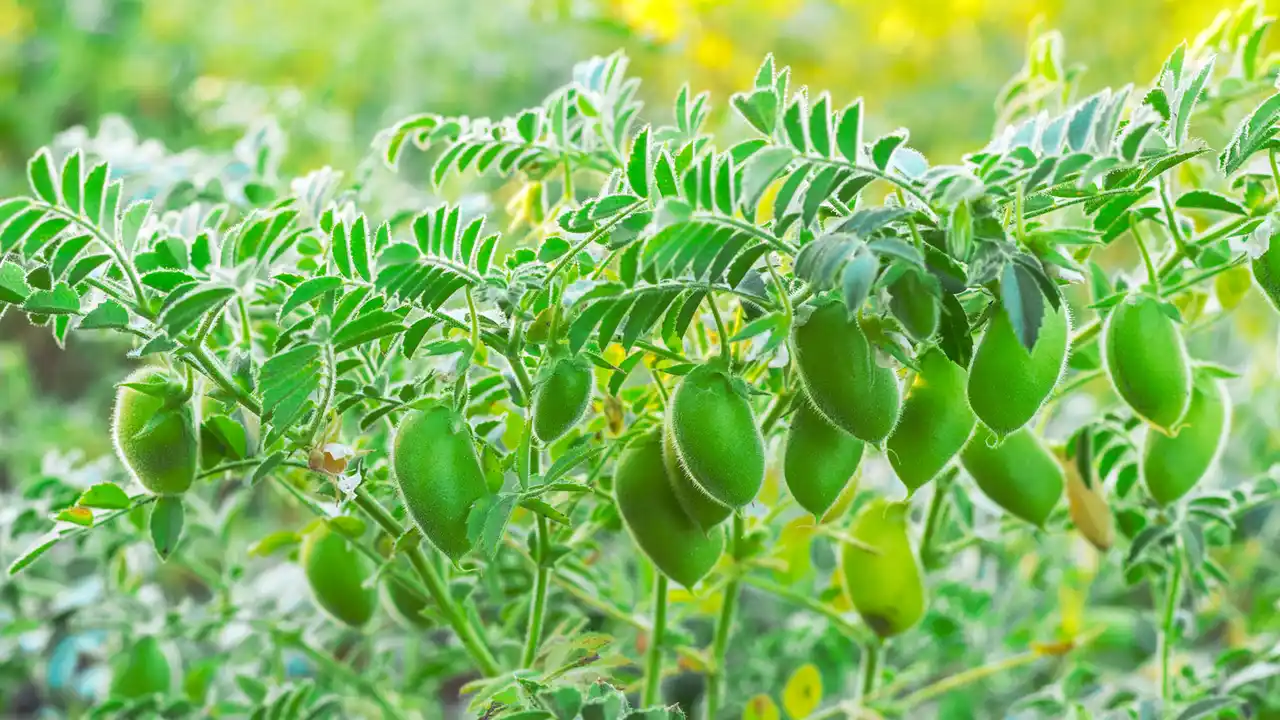
Discover the best plant-based protein sources to fuel your sustainable diet. Explore lentils, tofu, nuts, and more for healthy eating.
Top 5 Plant Based Protein Sources for a Sustainable Diet
Why Choose Plant Based Protein for a Sustainable Lifestyle?
Hey there, health-conscious and planet-loving folks! Ever wondered how your plate impacts the planet? Shifting towards a plant-based diet, especially when it comes to protein, is one of the most impactful changes you can make for both your well-being and Mother Earth. Animal agriculture is a significant contributor to greenhouse gas emissions, deforestation, and water pollution. By opting for plant-based protein, you're not just nourishing your body; you're actively participating in a more sustainable food system. It's a win-win! Plus, many plant-based proteins come packed with fiber, vitamins, and minerals that are often lacking in animal products, contributing to better gut health, reduced risk of chronic diseases, and sustained energy levels. We're talking about feeling good, doing good, and eating delicious food all at the same time. So, let's dive into some of the best plant-based protein sources that are not only good for you but also incredibly versatile and sustainable.
Lentils The Mighty Legume for Protein and Fiber
First up on our list are lentils, the unsung heroes of the legume family. These tiny powerhouses are an absolute must-have in any sustainable, plant-based diet. Why? Because they're incredibly rich in protein, fiber, and a whole host of essential nutrients like iron, folate, and manganese. Plus, they're super affordable and have a low environmental footprint, requiring less water to grow compared to many other protein sources. Lentils are also nitrogen-fixers, meaning they enrich the soil they grow in, reducing the need for synthetic fertilizers. Talk about a sustainable superstar!
Different Types of Lentils and Their Uses
- Brown Lentils: These are the most common type, holding their shape well when cooked. Perfect for hearty stews, soups, and even veggie burgers.
- Green Lentils: Similar to brown lentils but with a slightly firmer texture and peppery flavor. Great for salads or as a side dish.
- Red Lentils: These cook quickly and tend to break down, making them ideal for creamy dahls, purees, and thickening soups.
- Black Beluga Lentils: Small, shiny, and resembling caviar, these have a rich, earthy flavor and hold their shape beautifully. Fantastic in gourmet salads or as a base for grain bowls.
Product Spotlight Lentil Brands and Recipes
You can find lentils in almost any grocery store, usually in the dried goods aisle. Brands like Bob's Red Mill (around $3-5 for a 16oz bag) offer a great variety of organic and conventional lentils. For a quick and easy meal, try a simple lentil soup: sauté some onions, carrots, and celery, add vegetable broth, a can of diced tomatoes, and a cup of brown or green lentils. Simmer until tender, and season with your favorite herbs. Another idea is a hearty lentil shepherd's pie, replacing the meat with cooked brown lentils and topping it with mashed sweet potatoes. Lentils are also fantastic in a Mediterranean-inspired salad with cucumbers, tomatoes, red onion, and a lemon-tahini dressing. The possibilities are endless!
Tofu and Tempeh Versatile Soy Powerhouses
Next up, we have tofu and tempeh, two incredible soy-based proteins that are staples in many plant-based kitchens. Both are made from soybeans, but they offer different textures and culinary applications. Soybeans are a complete protein, meaning they contain all nine essential amino acids, making them an excellent choice for muscle building and repair. When sourced sustainably, soy can be a very eco-friendly option, especially compared to animal proteins. Look for organic and non-GMO varieties to ensure you're getting the best quality.
Tofu vs Tempeh Understanding the Differences
- Tofu: Made from condensed soy milk pressed into solid white blocks. It's incredibly versatile because it takes on the flavor of whatever you cook it with. You'll find it in various consistencies: silken (great for smoothies and creamy sauces), soft, firm, and extra-firm (perfect for stir-fries, baking, and grilling).
- Tempeh: Made from fermented whole soybeans, which gives it a firmer, chewier texture and a nutty, earthy flavor. The fermentation process also makes it easier to digest and boosts its nutritional profile, including probiotics. Tempeh is fantastic for marinating, crumbling into chili, or slicing for sandwiches.
Product Spotlight Brands and Cooking Ideas
For tofu, brands like House Foods Organic Tofu (around $2-4 per block) and Nasoya Organic Tofu are widely available and offer various firmness levels. For tempeh, Lightlife Organic Tempeh (around $3-5 per block) is a popular choice. When cooking tofu, pressing out excess water is key for a crispy texture. Try baking extra-firm tofu cubes marinated in soy sauce, ginger, and sesame oil for a delicious stir-fry addition. For tempeh, marinate slices in a smoky BBQ sauce and grill or pan-fry them for a fantastic sandwich filling. You can also crumble tempeh and sauté it with taco seasoning for a plant-based taco night. Don't be afraid to experiment with different marinades and cooking methods to find your favorites!
Nuts and Seeds Tiny Treasures of Protein and Healthy Fats
Don't underestimate the power of nuts and seeds! These small but mighty foods are packed with protein, healthy fats (omega-3s!), fiber, and a plethora of vitamins and minerals. They're incredibly convenient for snacking, adding to meals, or even making your own plant-based milks and butters. While some nuts and seeds can be more resource-intensive to produce (like almonds), many are relatively sustainable, especially when sourced locally or organically. They're also fantastic for satiety, helping you feel full and satisfied.
Top Protein Packed Nuts and Seeds
- Almonds: About 6g protein per ounce. Great for snacking, almond butter, or adding to oatmeal.
- Peanuts: (technically a legume, but often grouped with nuts) About 7g protein per ounce. Peanut butter is a classic!
- Walnuts: About 4g protein per ounce. Rich in omega-3s, excellent in salads or baked goods.
- Chia Seeds: About 5g protein per ounce. A fantastic source of fiber and omega-3s, perfect for puddings or smoothies.
- Hemp Seeds: About 10g protein per ounce. A complete protein, with a mild, nutty flavor. Sprinkle on anything!
- Pumpkin Seeds: About 8g protein per ounce. Great for snacking or adding to salads and granola.
Product Spotlight Brands and Creative Uses
You can find a wide variety of nuts and seeds from brands like Terrasoul Superfoods (organic, often available online, prices vary but generally $10-20 for larger bags) or bulk bins at your local health food store. For a quick protein boost, grab a handful of almonds or walnuts. Make your own chia seed pudding by combining 2 tablespoons of chia seeds with 1/2 cup of plant milk and letting it sit overnight in the fridge (add fruit and sweetener in the morning!). Hemp seeds are incredibly versatile; sprinkle them on salads, soups, or even avocado toast for an extra protein kick. For a delicious and sustainable snack, try making your own trail mix with a variety of nuts, seeds, and dried fruit. Remember to store nuts and seeds in an airtight container in the fridge or freezer to keep them fresh longer.
Beans The Humble Heroes of Plant Based Protein
Beans, beans, the magical fruit... and also an incredible source of plant-based protein! Like lentils, beans are legumes and offer a fantastic combination of protein, fiber, and complex carbohydrates. They're incredibly affordable, versatile, and have a very low environmental impact. Growing beans can actually improve soil health, making them a truly sustainable food choice. From black beans to chickpeas, kidney beans to cannellini, there's a bean for every dish and every palate.
Popular Bean Varieties and Their Culinary Roles
- Black Beans: Earthy and hearty, perfect for tacos, burritos, soups, and black bean burgers.
- Chickpeas (Garbanzo Beans): Nutty and firm, essential for hummus, falafel, roasted snacks, and salads.
- Kidney Beans: Large and kidney-shaped, great for chili, stews, and salads.
- Cannellini Beans (White Kidney Beans): Creamy texture, ideal for Italian dishes, soups, and purees.
- Pinto Beans: Creamy and mild, a staple in Mexican cuisine for refried beans or as a side dish.
Product Spotlight Canned vs Dried and Recipe Ideas
You can buy beans dried (more economical, requires soaking and cooking) or canned (convenient, just rinse and use). Brands like Eden Organic Beans (around $2-3 per can) are a great choice for organic, BPA-free canned beans. For dried beans, look for bulk options at health food stores or brands like Goya or S&W. A classic black bean burger is a fantastic way to use black beans: mash them with breadcrumbs, spices, and a binder, then pan-fry or bake. Chickpeas are incredibly versatile; roast them with spices for a crunchy snack, or blend them into a creamy hummus. Kidney beans are a must-have for a hearty chili. Don't forget about bean salads – combine your favorite beans with chopped veggies, herbs, and a zesty vinaigrette for a refreshing and protein-packed meal. You can even sneak pureed beans into brownies for a healthier, fudgier treat!
Quinoa The Complete Grain for Sustainable Nutrition
Last but certainly not least, we have quinoa. While often treated like a grain, quinoa is actually a seed, and it's a complete protein, meaning it contains all nine essential amino acids. This makes it a standout among plant-based options. Quinoa is also gluten-free, rich in fiber, magnesium, B vitamins, iron, potassium, calcium, phosphorus, vitamin E, and various beneficial antioxidants. It's a fantastic alternative to rice or pasta and can be used in a multitude of dishes. Quinoa is also relatively drought-resistant and can grow in various climates, making it a more sustainable crop compared to some other grains, though its popularity has led to some ethical considerations regarding fair trade for farmers in its native South America. Always look for fair trade certified quinoa when possible.
Cooking Quinoa and Its Versatile Applications
Cooking quinoa is super easy: typically, a 1:2 ratio of quinoa to water or broth. Bring to a boil, then reduce heat, cover, and simmer for about 15 minutes until all the liquid is absorbed and the quinoa is fluffy. It has a slightly nutty flavor and a pleasant, chewy texture.
Product Spotlight Brands and Meal Inspiration
Brands like Ancient Harvest Organic Quinoa (around $5-8 for a 12oz bag) and Kirkland Signature Organic Quinoa (bulk options at Costco, very cost-effective) are widely available. Use quinoa as a base for grain bowls, topped with roasted vegetables, a protein source (like the tofu or tempeh we discussed!), and a delicious dressing. It's also excellent in salads, adding a boost of protein and texture. Try a breakfast quinoa bowl with fruit, nuts, and a drizzle of maple syrup. You can even use quinoa in stuffed bell peppers or as a healthy side dish for almost any meal. For a quick and easy lunch, make a big batch of quinoa at the beginning of the week and use it in different ways throughout your meals.
Making the Switch Practical Tips for Incorporating Plant Based Protein
So, you're ready to embrace more plant-based protein? Awesome! Here are a few practical tips to help you seamlessly integrate these sustainable powerhouses into your diet:
- Start Small: You don't have to go 100% plant-based overnight. Try incorporating one plant-based meal a day or dedicating a few days a week to meatless meals.
- Experiment with Flavors: Plant-based proteins are incredibly versatile. Don't be afraid to experiment with different spices, marinades, and cooking methods to find what you love.
- Batch Cook: Cook a large batch of lentils, beans, or quinoa at the beginning of the week. This makes it super easy to add protein to your meals throughout the week.
- Read Labels: When buying packaged plant-based products, check the ingredients list to ensure they're not loaded with unhealthy additives or excessive sodium.
- Listen to Your Body: Pay attention to how different foods make you feel. Everyone's body is different, so find the plant-based proteins that work best for you.
- Seek Inspiration: There are countless plant-based recipes and resources online. Explore food blogs, cookbooks, and social media for new ideas and inspiration.
Embracing plant-based protein is a delicious and impactful way to support your health and contribute to a more sustainable future. Happy eating!
:max_bytes(150000):strip_icc()/277019-baked-pork-chops-with-cream-of-mushroom-soup-DDMFS-beauty-4x3-BG-7505-5762b731cf30447d9cbbbbbf387beafa.jpg)