The 6 Best Local Farmers Markets for Fresh Produce
Support local agriculture and get fresh produce at the 6 best farmers markets. Discover seasonal fruits, vegetables, and artisanal goods.
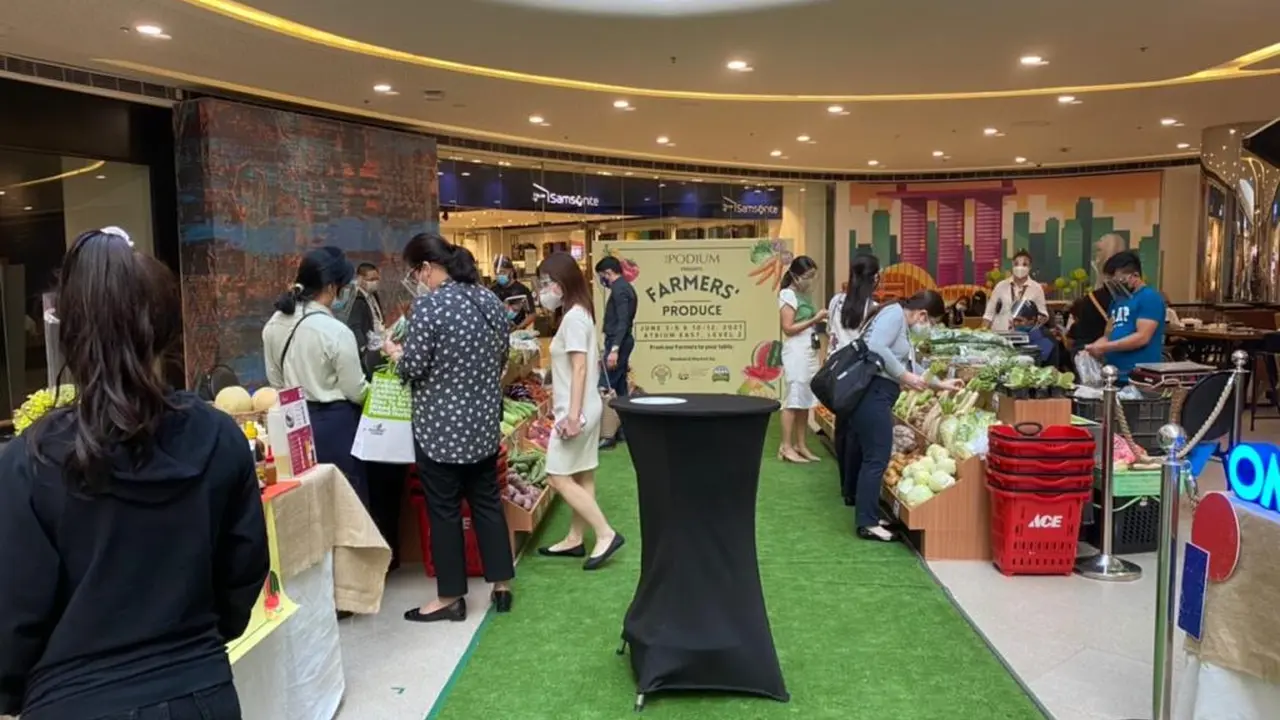
Support local agriculture and get fresh produce at the 6 best farmers markets. Discover seasonal fruits, vegetables, and artisanal goods.
The 6 Best Local Farmers Markets for Fresh Produce
Why Choose Local Farmers Markets for Fresh and Sustainable Produce
Hey there, health-conscious foodies and eco-warriors! Ever wondered where your food really comes from? In an age of global supply chains and supermarket aisles filled with produce that has traveled thousands of miles, the humble farmers market stands out as a beacon of freshness, sustainability, and community spirit. Choosing to shop at your local farmers market isn't just a trend; it's a powerful statement about supporting local agriculture, reducing your carbon footprint, and enjoying the most vibrant, nutrient-dense food available. When you buy directly from a farmer, you're not only getting produce that was likely picked just hours before, but you're also investing in your local economy and fostering a direct connection with the people who grow your food. Plus, let's be real, who can resist the charm of a bustling market, the smell of fresh-baked bread, and the colorful displays of seasonal bounty?
Benefits of Shopping at Farmers Markets for Health and Environment
Let's dive a bit deeper into why farmers markets are a game-changer for both your health and the planet. First off, the freshness factor is unparalleled. Supermarket produce often spends days, if not weeks, in transit and storage, losing valuable nutrients along the way. Farmers market produce, on the other hand, is typically harvested at its peak ripeness, meaning it's bursting with flavor and packed with more vitamins and minerals. This isn't just about taste; it's about maximizing the nutritional value of your meals. Think about it: a tomato picked yesterday tastes infinitely better and is likely more nutritious than one picked a week ago and ripened artificially.
From an environmental perspective, farmers markets are a win-win. By purchasing locally, you significantly reduce the food miles associated with your groceries. Less transportation means less fossil fuel consumption and fewer greenhouse gas emissions. Many small-scale farmers also employ sustainable farming practices, such as organic methods, crop rotation, and water conservation, which are far kinder to the earth than industrial agriculture. You're also likely to find less packaging at a farmers market, helping you cut down on plastic waste. Bring your own reusable bags, and you're practically a zero-waste superhero!
Beyond the tangible benefits, there's a wonderful community aspect. You get to meet the farmers, ask them about their growing methods, and learn about the seasonality of food. This direct interaction builds trust and creates a sense of connection that you just don't get from a grocery store. It's an educational experience, a social outing, and a way to truly understand where your food comes from.
Key Considerations When Choosing a Farmers Market for Quality and Variety
Not all farmers markets are created equal, and finding the right one for you can enhance your shopping experience. Here are a few things to consider:
- Seasonality and Variety: A good farmers market will reflect the changing seasons. You'll find different produce available throughout the year, which encourages a more diverse and healthy diet. Look for markets with a wide array of fruits, vegetables, herbs, and perhaps even artisanal products like honey, jams, baked goods, and dairy.
- Organic and Sustainable Practices: While not all small farmers can afford organic certification, many follow organic or sustainable practices. Don't be afraid to ask vendors about their growing methods. Look for signs that indicate organic, pesticide-free, or naturally grown produce.
- Vendor Diversity: A market with a good mix of vendors means more competition and a wider selection for you. It also supports a broader range of local businesses.
- Location and Accessibility: Choose a market that's convenient for you to visit regularly. Consider parking, public transport options, and the overall layout of the market.
- Community Vibe: Some markets are bustling social hubs with live music and food trucks, while others are more focused on quick shopping. Find one that matches your preferred atmosphere.
Top 6 Local Farmers Markets for Fresh Produce in the USA and Southeast Asia
Alright, let's get to the good stuff! While it's impossible to list every amazing farmers market out there, here are six examples that exemplify the best of what local markets have to offer, spanning both the USA and Southeast Asia. These markets are renowned for their fresh produce, vibrant atmosphere, and commitment to supporting local farmers.
1. Union Square Greenmarket, New York City, USA: Urban Freshness and Artisanal Delights
Overview: The Union Square Greenmarket is an iconic institution in the heart of Manhattan. Operating year-round, four days a week, it transforms one of NYC's busiest public spaces into a vibrant agricultural hub. Since 1976, it has been connecting New Yorkers with fresh, local produce, meats, cheeses, baked goods, and more from regional farms. It's not just a market; it's a cultural experience, often featuring cooking demonstrations and educational events.
What to Expect: You'll find an incredible array of seasonal fruits and vegetables, often heirloom varieties you won't see in supermarkets. Think crisp apples and pumpkins in the fall, juicy berries and sweet corn in the summer, and an abundance of leafy greens year-round. Beyond produce, look for artisanal cheeses, fresh-baked breads, pasture-raised meats, fresh seafood, ciders, wines, and beautiful cut flowers. The quality is consistently high, and the vendors are passionate about their products.
Typical Products and Pricing: Prices can be a bit higher than conventional supermarkets, reflecting the quality, freshness, and sustainable practices. For example, a pint of organic berries might be $6-8, a bunch of kale $3-4, and artisanal bread $7-10. However, the flavor and nutritional value often justify the cost. Many vendors accept SNAP/EBT, and some even offer matching programs to make fresh food more accessible.
Best Use Cases: Perfect for city dwellers looking for the freshest ingredients for home cooking, food enthusiasts seeking unique artisanal products, and anyone wanting to experience a lively community market. It's also a great spot for a weekend stroll and people-watching.
2. Santa Monica Farmers Market, Santa Monica, California, USA: Celebrity Spotting and Organic Abundance
Overview: The Santa Monica Farmers Market is legendary, especially the Wednesday market on Arizona Avenue. It's a favorite among chefs, food writers, and even celebrities, known for its incredible selection of organic and specialty produce from California's rich agricultural lands. Established in 1981, it's a cornerstone of the farm-to-table movement in Southern California.
What to Expect: Prepare for an overwhelming bounty! You'll find an astonishing variety of fruits and vegetables, many of which are organic and sustainably grown. Expect a huge selection of citrus, avocados, stone fruits, berries, and a vast array of greens, herbs, and exotic vegetables. Beyond produce, there are often vendors selling fresh flowers, nuts, olive oils, and prepared foods. The quality is top-notch, and the farmers are often the growers themselves, happy to share tips and recipes.
Typical Products and Pricing: Given its reputation and location, prices can be on the higher side, but the quality is exceptional. Organic strawberries might be $7-9 a basket, specialty tomatoes $5-7 a pound, and fresh-pressed olive oil $20-30 a bottle. Many vendors offer samples, so you can taste before you buy.
Best Use Cases: Ideal for home cooks who prioritize organic and specialty ingredients, chefs looking for unique produce, and anyone who enjoys a vibrant, high-energy market experience. It's also a fantastic place to discover new fruits and vegetables.
3. Pike Place Market, Seattle, Washington, USA: Historic Charm and Pacific Northwest Flavors
Overview: While Pike Place Market is a major tourist attraction, its roots are firmly in its farmers market origins. Established in 1907, it's one of the oldest continuously operated public farmers markets in the United States. Beyond the famous fish throwing, it's a vital source of fresh, local produce, seafood, and artisanal goods for Seattle residents.
What to Expect: The market offers a fantastic selection of seasonal produce from local Washington farms. You'll find an abundance of berries (especially in summer), apples, pears, cherries, and a wide variety of vegetables. Of course, being in Seattle, the fresh seafood is a major draw, with vendors selling everything from salmon to Dungeness crab. There are also numerous stalls with artisanal cheeses, baked goods, flowers, and handcrafted items. The atmosphere is lively and bustling, a true sensory experience.
Typical Products and Pricing: Prices for produce are generally competitive with local grocery stores, sometimes even better for seasonal items. A pound of fresh cherries might be $5-7, a bunch of asparagus $4-5, and a beautiful bouquet of flowers $15-25. Seafood prices vary widely depending on the catch.
Best Use Cases: Great for both locals and tourists looking for fresh, local ingredients and a taste of Seattle's culinary scene. It's perfect for picking up ingredients for a special meal, grabbing a quick bite, or simply soaking in the historic atmosphere.
4. Chatuchak Weekend Market, Bangkok, Thailand: A Culinary Adventure and Local Treasures
Overview: While primarily known for its vast array of goods from clothing to home decor, Chatuchak Weekend Market also boasts a significant and bustling section dedicated to fresh produce, street food, and local delicacies. It's one of the largest markets in the world, attracting over 200,000 visitors each weekend. Navigating it is an adventure in itself!
What to Expect: The food section of Chatuchak is a feast for the senses. You'll find an incredible variety of tropical fruits like durian, mangoes, mangosteens, rambutan, and dragon fruit, often at very competitive prices. There's also a wide selection of fresh vegetables, herbs, spices, and ingredients essential to Thai cuisine. Beyond raw produce, the market is famous for its street food – from grilled skewers and pad Thai to fresh juices and traditional Thai desserts. It's a vibrant, noisy, and aromatic experience.
Typical Products and Pricing: Prices are generally very affordable, especially compared to Western markets. A kilogram of fresh mangoes might be 50-100 THB ($1.50-$3 USD), a bunch of Thai basil 10-20 THB ($0.30-$0.60 USD), and a delicious street food meal 40-80 THB ($1.20-$2.50 USD). Bargaining is sometimes possible, especially if buying in larger quantities.
Best Use Cases: Ideal for adventurous eaters, budget-conscious shoppers, and anyone wanting to immerse themselves in authentic Thai culinary culture. It's perfect for stocking up on exotic fruits, fresh herbs, and enjoying a wide range of delicious street food.
5. Ubud Traditional Market, Bali, Indonesia: Tropical Bounty and Cultural Immersion
Overview: The Ubud Traditional Market, or Pasar Ubud, is a vibrant hub in the heart of Bali's cultural center. While it caters to tourists with handicrafts and souvenirs, the early morning hours reveal its true essence as a local farmers market, bustling with Balinese residents buying their daily provisions. It's a sensory overload of sights, sounds, and smells.
What to Expect: In the morning, the market is filled with local farmers selling an abundance of tropical fruits like bananas, papayas, snake fruit, and rambutan, along with fresh vegetables, herbs, and spices. You'll also find fresh meats, fish, and a variety of traditional Balinese snacks and prepared foods. The colors are incredibly vivid, and the atmosphere is authentically local. As the day progresses, the market shifts more towards crafts, but the food section remains active.
Typical Products and Pricing: Prices are very affordable, designed for local consumption. A large bunch of bananas might be 10,000-20,000 IDR ($0.60-$1.30 USD), a kilogram of fresh tomatoes 15,000-25,000 IDR ($1-$1.70 USD), and a traditional Balinese snack 5,000-10,000 IDR ($0.30-$0.60 USD). Bargaining is expected and part of the experience.
Best Use Cases: Perfect for travelers wanting an authentic local experience, foodies looking for fresh tropical ingredients, and anyone interested in Balinese culture. It's a great place to buy ingredients for cooking classes or simply to sample local flavors.
6. Tiong Bahru Market, Singapore: Hawker Delights and Fresh Wet Market Finds
Overview: Tiong Bahru Market is a beloved hawker center and wet market in Singapore, offering the best of both worlds. Downstairs, you'll find a bustling wet market with fresh produce, meats, and seafood. Upstairs, a renowned hawker center serves up some of Singapore's most iconic dishes. It's a fantastic example of how traditional markets adapt to modern urban living.
What to Expect: The wet market section is incredibly clean and well-organized, offering a wide selection of fresh fruits, vegetables, and herbs, many sourced from neighboring Malaysia and Indonesia, as well as local farms. You'll find everything from common staples to more exotic Asian ingredients. The seafood section is particularly impressive, with a vast array of fresh fish, prawns, and shellfish. Upstairs, the hawker center is a culinary paradise, with stalls selling famous dishes like chwee kueh, lor mee, and roasted meats.
Typical Products and Pricing: Prices for produce are generally very reasonable. A kilogram of leafy greens might be S$3-5 ($2.20-$3.70 USD), a tray of fresh eggs S$3-4 ($2.20-$3 USD), and a delicious hawker meal S$4-7 ($3-$5 USD). The quality of the produce is consistently high, and the vendors are knowledgeable.
Best Use Cases: Ideal for anyone looking for fresh, high-quality ingredients for home cooking, food enthusiasts wanting to sample authentic Singaporean hawker food, and those who appreciate a clean and organized market experience. It's a great spot for a weekend brunch and grocery run.
Tips for a Successful Farmers Market Shopping Experience for Sustainable Living
Ready to hit the market? Here are some pro tips to make your farmers market experience even better:
- Go Early: For the best selection and to avoid crowds, especially at popular markets, try to arrive shortly after opening.
- Bring Your Own Bags: Reduce waste by bringing reusable shopping bags, and maybe even some smaller produce bags.
- Carry Cash: While many vendors now accept cards, cash is often preferred, especially by smaller farmers, and can sometimes speed up transactions.
- Dress for the Weather: Markets are often outdoors, so be prepared for sun, rain, or whatever the day brings.
- Talk to the Farmers: Ask questions about their growing practices, what's in season, and how to best prepare their produce. They are a wealth of knowledge!
- Be Flexible: Don't go with a rigid shopping list. Let the seasonal bounty inspire your meals. You might discover a new favorite vegetable!
- Taste Samples: Many vendors offer samples, especially for fruits, cheeses, and baked goods. Take advantage of this to ensure you love what you buy.
- Buy in Bulk (When Appropriate): If you plan to preserve or cook a large batch of something, buying in bulk from a farmer can sometimes get you a better deal.
- Support Multiple Vendors: Spread your purchases around to support more local businesses.
- Consider Imperfect Produce: Don't shy away from fruits and vegetables that aren't perfectly shaped. They taste just as good and often come at a discount, helping to reduce food waste.
Embracing the Farmers Market Lifestyle for a Greener Future
Shopping at farmers markets is more than just a transaction; it's a lifestyle choice that benefits your health, your community, and the planet. By choosing fresh, local, and often sustainably grown produce, you're making a tangible difference. You're reducing your carbon footprint, supporting small businesses, and enjoying food that's bursting with flavor and nutrients. So, next time you're planning your grocery run, consider skipping the supermarket and heading to your local farmers market. You might just discover your new favorite place to shop, eat, and connect with your community. Happy market hopping!
:max_bytes(150000):strip_icc()/277019-baked-pork-chops-with-cream-of-mushroom-soup-DDMFS-beauty-4x3-BG-7505-5762b731cf30447d9cbbbbbf387beafa.jpg)