The 6 Best Eco Friendly Trash Bags for a Cleaner Planet
Discover the 6 best eco-friendly trash bags that are compostable or made from recycled materials. Reduce your environmental footprint.
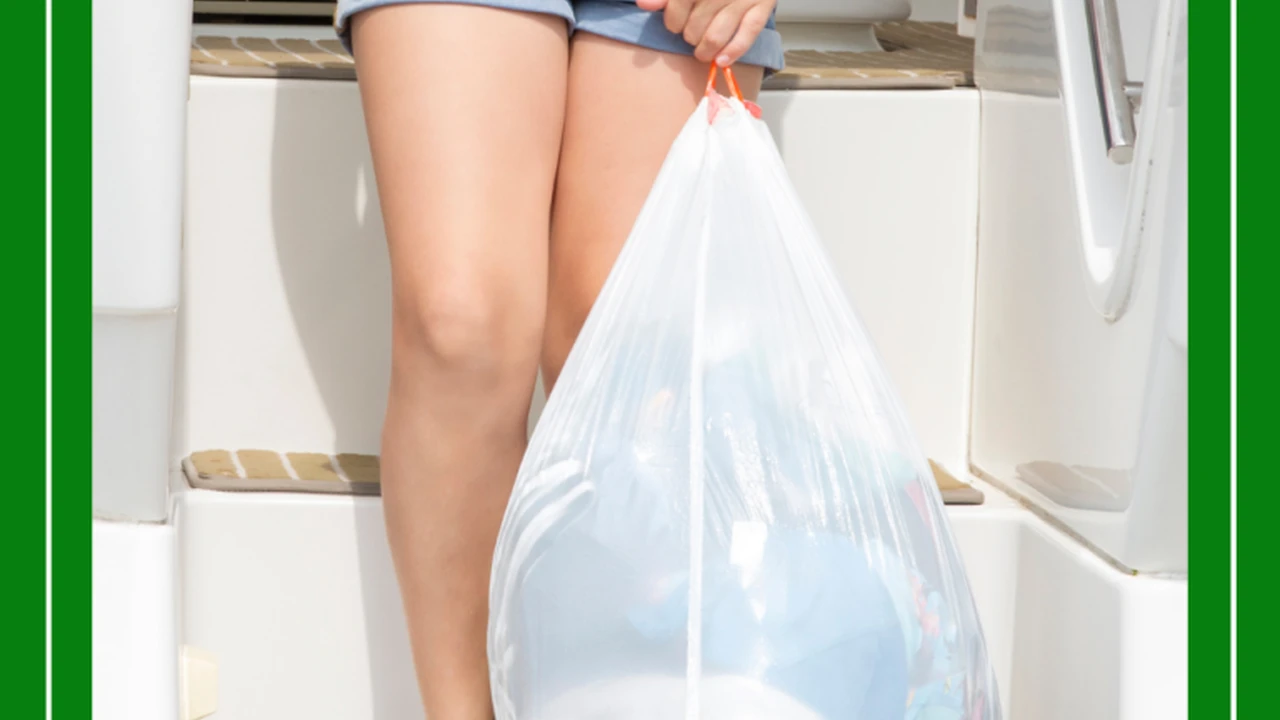
Discover the 6 best eco-friendly trash bags that are compostable or made from recycled materials. Reduce your environmental footprint.
The 6 Best Eco Friendly Trash Bags for a Cleaner Planet
Hey there, eco-conscious friends! Let's talk trash – literally. We all generate it, and unfortunately, a lot of it ends up in landfills, taking hundreds of years to decompose. But what if we could make a small change that has a big impact? That's where eco-friendly trash bags come in. These aren't your grandma's flimsy plastic bags; we're talking about innovative solutions designed to minimize environmental harm, whether they're made from recycled plastics, plant-based materials, or are fully compostable. Choosing the right eco-friendly trash bag can significantly reduce your household's plastic waste and carbon footprint. It's a simple switch that aligns perfectly with a sustainable living philosophy, helping us move towards a cleaner planet, one trash bag at a time.
Why Choose Eco Friendly Trash Bags for Sustainable Waste Management?
You might be thinking, "It's just a trash bag, does it really matter?" And the answer is a resounding YES! Traditional plastic trash bags are a huge contributor to plastic pollution. They're made from virgin fossil fuels, take an incredibly long time to break down, and often end up polluting our oceans and harming wildlife. Eco-friendly alternatives, on the other hand, offer a much better solution. They're often made from renewable resources, recycled content, or are designed to biodegrade or compost, returning nutrients to the earth instead of sitting in a landfill. This shift is crucial for sustainable waste management, reducing our reliance on finite resources, and mitigating the environmental impact of our daily disposables. Plus, many brands are now focusing on ethical sourcing and manufacturing processes, adding another layer of sustainability to your purchase.
Understanding Eco Friendly Trash Bag Types Compostable vs Biodegradable vs Recycled
Navigating the world of eco-friendly trash bags can be a bit confusing with all the different terms thrown around. Let's break down the main types:
Compostable Trash Bags for Organic Waste Solutions
Compostable bags are the gold standard for organic waste. They are made from plant-based materials like corn starch and are designed to break down completely into natural elements (water, CO2, biomass) in a composting environment, leaving no toxic residue. This is fantastic for food scraps and yard waste, as it allows you to divert these items from landfills and turn them into valuable compost. Key takeaway: Look for certifications like BPI (Biodegradable Products Institute) or EN 13432, which ensure they meet strict standards for industrial composting. They won't break down in a regular landfill, so make sure you have access to a composting facility or a robust home composting system.
Biodegradable Trash Bags for Reduced Environmental Impact
Biodegradable bags are a bit trickier. While they are designed to break down into smaller pieces by natural processes, they don't always fully disappear or leave behind non-toxic residue. Some biodegradable plastics simply break down into microplastics, which are still harmful. The rate and extent of biodegradation can also vary greatly depending on the environment (e.g., light, oxygen, moisture). Key takeaway: Be cautious with this term. Unless it's also certified compostable, a 'biodegradable' bag might not be as eco-friendly as it sounds, especially if it ends up in a landfill where conditions aren't optimal for breakdown.
Recycled Content Trash Bags for Circular Economy Benefits
These bags are made from post-consumer recycled (PCR) plastic, meaning plastic that has already been used and diverted from landfills. This is a great option because it reduces the demand for virgin plastic production, conserves resources, and gives existing plastic a second life. While they aren't designed to break down, they contribute to a circular economy by keeping plastic in use. Key takeaway: Look for a high percentage of PCR content. These are excellent for general household waste that isn't compostable, as they still reduce your overall plastic footprint.
Top 6 Eco Friendly Trash Bags Reviewed for Your Home
Alright, let's get to the good stuff! Here are our top picks for eco-friendly trash bags, covering different needs and budgets. We've considered material, durability, certifications, and overall environmental impact to help you make the best choice.
1. BioBag Compostable Food Waste Bags The Best for Kitchen Composting
Product Overview: BioBag is a well-known brand in the compostable bag market, and for good reason. Their bags are made from a resin derived from plants, vegetable oils, and compostable polymers. They are BPI certified compostable, meaning they meet the ASTM D6400 standard for industrial composting. They come in various sizes, perfect for kitchen countertop compost bins.
Key Features & Benefits:
- Material: Plant-based (corn starch, vegetable oils).
- Compostability: 100% BPI certified compostable. Breaks down completely in commercial composting facilities.
- Durability: Surprisingly strong for compostable bags, resisting leaks and tears for typical food waste.
- Usage Scenario: Ideal for collecting food scraps, coffee grounds, tea bags, and other organic waste for municipal or industrial composting programs. Also great for home composting if your system gets hot enough.
- Available Sizes & Pricing:
- 3 Gallon (100 count): Around $20 - $25 USD. Perfect for small kitchen compost bins.
- 13 Gallon (25 count): Around $15 - $20 USD. Suitable for larger kitchen waste or small outdoor compost bins.
- Why We Love It: BioBag is a reliable choice for anyone serious about composting their food waste. They perform well, are genuinely compostable, and help divert a significant amount of waste from landfills.
2. Glad ForceFlexPlus with Febreze Odor Control Made with Recycled Plastic
Product Overview: While not compostable, Glad has introduced a line of ForceFlexPlus bags that incorporate recycled plastic. These bags are designed for general household waste and offer the familiar strength and odor control that Glad is known for, but with a more sustainable twist by utilizing post-consumer recycled content.
Key Features & Benefits:
- Material: Made with a percentage of post-consumer recycled (PCR) plastic. The exact percentage can vary by product line, so check the packaging.
- Durability: ForceFlexPlus technology provides excellent stretch and tear resistance, making them very reliable for heavy or irregularly shaped trash.
- Odor Control: Infused with Febreze for continuous odor neutralization, a big plus for general household waste.
- Usage Scenario: Best for non-compostable household waste, such as packaging, plastics, and other items destined for the landfill. A good choice for those who want to reduce virgin plastic consumption without sacrificing strength or odor control.
- Available Sizes & Pricing:
- 13 Gallon Tall Kitchen (40-60 count): Around $15 - $20 USD. Standard kitchen trash size.
- 30 Gallon Large (20-30 count): Around $18 - $25 USD. For larger bins or outdoor use.
- Why We Love It: For general waste that can't be composted or recycled through other means, using a bag with recycled content is a step in the right direction. Glad's reputation for strength means fewer broken bags and less mess.
3. UNNI 100% Compostable Trash Bags Certified for Home and Industrial Composting
Product Overview: UNNI offers a range of 100% compostable bags that are certified by BPI and OK Compost HOME, meaning they can break down in both industrial and well-maintained home composting systems. They are made from plant starches and are a fantastic option for those looking for true end-of-life solutions for their organic waste.
Key Features & Benefits:
- Material: Plant-based (corn starch).
- Compostability: BPI and OK Compost HOME certified. This dual certification is a big deal, especially for home composters.
- Durability: Good strength for compostable bags, though like all compostable bags, they can start to degrade if exposed to moisture for too long.
- Usage Scenario: Excellent for kitchen food waste, small bathroom bins, and even pet waste (check local regulations for composting pet waste). The home compostable certification makes them versatile.
- Available Sizes & Pricing:
- 2.6 Gallon (100 count): Around $18 - $22 USD. Perfect for small bathroom or desk bins.
- 13 Gallon (50 count): Around $25 - $30 USD. A popular size for kitchen compost or general organic waste.
- Why We Love It: The OK Compost HOME certification sets UNNI apart, offering peace of mind for those with backyard compost piles. They are a reliable and truly eco-friendly choice for organic waste.
4. Hefty Ultra Strong Tall Kitchen Trash Bags Made with Recycled Materials
Product Overview: Similar to Glad, Hefty has also introduced options with recycled content in their popular Ultra Strong line. These bags are known for their robust construction and odor-blocking technology, now with the added benefit of using recycled plastic to lessen their environmental impact.
Key Features & Benefits:
- Material: Contains a percentage of recycled plastic. Hefty is transparent about their efforts to incorporate more recycled content.
- Durability: Ultra Strong design with a tear-resistant drawstring closure. Can handle heavy loads and sharp objects without easily tearing.
- Odor Control: Patented Arm & Hammer odor neutralizers help keep unpleasant smells at bay.
- Usage Scenario: Ideal for everyday household trash that isn't compostable. If you need a strong, reliable bag and want to support the use of recycled materials, this is a solid option.
- Available Sizes & Pricing:
- 13 Gallon Tall Kitchen (40-60 count): Around $14 - $18 USD. A staple for most kitchens.
- 30 Gallon Large (20-30 count): Around $16 - $22 USD. Great for larger families or outdoor bins.
- Why We Love It: Hefty's commitment to incorporating recycled materials into their strong bags means you don't have to compromise on performance while making a more sustainable choice for your general waste.
5. Full Circle Compostable Trash Bags Plant Based and Durable
Product Overview: Full Circle is a brand dedicated to sustainable home products, and their compostable trash bags are no exception. Made from plant-based materials, these bags are BPI certified compostable and designed to be strong enough for daily kitchen use, making them a great choice for diverting food waste.
Key Features & Benefits:
- Material: Plant-based (corn starch).
- Compostability: BPI certified compostable, suitable for industrial composting facilities.
- Durability: Good thickness and seam strength for a compostable bag, reducing the risk of leaks.
- Usage Scenario: Perfect for kitchen compost bins, small office waste, or bathroom trash where organic materials might be present. They hold up well for a few days of food scraps.
- Available Sizes & Pricing:
- 2.6 Gallon (50 count): Around $12 - $15 USD. Excellent for countertop composters.
- 13 Gallon (20 count): Around $18 - $22 USD. For larger organic waste collection.
- Why We Love It: Full Circle consistently delivers on its promise of sustainable and functional products. These bags are reliable for composting and come from a brand with a strong eco-friendly ethos.
6. Simplehuman Custom Fit Liners Made with Recycled Plastic
Product Overview: Simplehuman is known for its high-quality trash cans, and their custom-fit liners are designed to perfectly match their bins. They've also introduced options made with recycled plastic, offering a premium, eco-friendlier solution for those who own Simplehuman cans.
Key Features & Benefits:
- Material: Contains a percentage of recycled plastic. Specific percentages vary by product.
- Fit: Custom fit for Simplehuman trash cans, meaning no messy overhang or slipping.
- Durability: Extra-thick plastic and double-seamed construction make them incredibly strong and tear-resistant.
- Usage Scenario: Best for Simplehuman trash can owners who want a perfect fit and a more sustainable option for their general household waste. They are designed for maximum capacity and strength.
- Available Sizes & Pricing:
- Various sizes (e.g., Code J, Code Q, Code M) to fit specific Simplehuman cans (40-60 count): Around $25 - $35 USD. These are generally more expensive due to their custom fit and premium quality.
- Why We Love It: If you've invested in a Simplehuman trash can, these recycled content liners are the perfect complement. They offer superior performance and contribute to reducing virgin plastic use, making your waste management system both efficient and more sustainable.
Choosing the Right Eco Friendly Trash Bag for Your Lifestyle and Waste Needs
So, how do you pick the best eco-friendly trash bag for your home? It really boils down to your specific waste stream and what resources are available in your area. Here are a few things to consider:
Assess Your Waste Stream for Optimal Bag Selection
First, take a good look at what you're throwing away. Do you generate a lot of food scraps? If so, investing in BPI-certified compostable bags like BioBag or UNNI for a dedicated compost bin is a fantastic idea. If most of your waste is non-organic (packaging, plastics that aren't easily recyclable), then bags made with recycled content from brands like Glad or Hefty are a more appropriate choice. Don't try to put non-compostable items in a compostable bag and expect it to magically disappear in a landfill – it won't!
Consider Local Composting and Recycling Facilities
This is a big one. If your city has an industrial composting facility that accepts food waste and compostable bags, then go for certified compostable options. If not, and you don't have a robust home composting system, then compostable bags might not be the most effective choice for you, as they won't break down properly in a landfill. Similarly, check what types of plastics your local recycling center accepts. The goal is to divert as much as possible from the landfill, and your bag choice should support that.
Durability and Leak Resistance for Mess Free Disposal
Nobody wants a leaky trash bag! While compostable bags are generally less robust than traditional plastic, the brands we've recommended (BioBag, UNNI, Full Circle) offer good durability for their intended use (food waste). For general household trash, recycled content bags from Glad or Hefty provide excellent strength and tear resistance. Consider the weight and type of waste you'll be putting in the bag. If you're throwing away heavy or sharp items, a stronger recycled content bag might be a better fit.
Cost Effectiveness and Value for Sustainable Living
Eco-friendly trash bags can sometimes be a bit more expensive than their conventional counterparts. However, think of it as an investment in the planet. When comparing prices, consider the count per roll, the gallon size, and the overall quality. Sometimes paying a little more for a stronger bag means fewer broken bags and less mess, which can save you money and hassle in the long run. Look for bulk options or subscribe-and-save programs to get the best value.
Beyond the Bag Holistic Approaches to Waste Reduction
While choosing eco-friendly trash bags is a great step, it's important to remember that they are still a form of waste. The ultimate goal of sustainable living is to reduce waste at its source. Here are some additional tips to help you minimize your trash output:
Embrace the Zero Waste Lifestyle Reduce Reuse Recycle
The 'reduce, reuse, recycle' hierarchy is your best friend. Prioritize reducing what you consume in the first place. Can you buy items with less packaging? Can you opt for reusable alternatives? Then, reuse what you can – old jars for storage, clothes for rags, etc. Finally, recycle everything that can be recycled through your local programs. Trash bags should be the last resort for items that truly have no other sustainable end-of-life option.
Composting Food Scraps and Organic Materials
This is a game-changer for reducing landfill waste. Food scraps and yard waste make up a significant portion of household trash. By composting them, you're not only diverting waste but also creating nutrient-rich soil for your garden. Whether you use a small countertop composter, a backyard bin, or a municipal service, composting is one of the most impactful things you can do.
Shopping Smart Bulk Buying and Package Free Options
When you go grocery shopping, think about packaging. Can you buy in bulk using your own reusable containers? Many stores now offer package-free options for grains, nuts, spices, and even liquids. This drastically cuts down on plastic and paper waste before it even enters your home. Bring your own reusable produce bags and shopping bags, too!
DIY and Upcycling Creative Ways to Repurpose Items
Before you toss something, think if it can be given a new life. Old t-shirts can become cleaning rags. Glass jars can become storage containers. Cardboard boxes can be used for crafts or organizing. There are countless DIY and upcycling projects that can turn potential trash into useful or decorative items, extending their lifespan and reducing your waste.
Making the switch to eco-friendly trash bags is a simple yet meaningful way to contribute to a cleaner planet. By understanding the different types available and choosing the best fit for your household's needs, you're actively participating in a more sustainable future. Remember, every small step counts, and together, we can make a big difference in reducing our environmental footprint. Happy trashing, the eco-friendly way!
:max_bytes(150000):strip_icc()/277019-baked-pork-chops-with-cream-of-mushroom-soup-DDMFS-beauty-4x3-BG-7505-5762b731cf30447d9cbbbbbf387beafa.jpg)