The 10 Best Zero Waste Snacks for Eco Friendly Eating
Snack sustainably with the 10 best zero-waste options. Discover bulk foods, reusable containers, and homemade recipes for eco-friendly munching.
Snack sustainably with the 10 best zero-waste options. Discover bulk foods, reusable containers, and homemade recipes for eco-friendly munching.
The 10 Best Zero Waste Snacks for Eco Friendly Eating
Let's face it, snacking is a huge part of our daily lives. Whether you're grabbing a quick bite between meetings, fueling up after a workout, or just satisfying a craving, snacks are essential. But have you ever stopped to think about the environmental impact of your snack choices? All those single-use plastic wrappers, disposable bags, and non-recyclable packaging add up to a mountain of waste. The good news is, going zero-waste with your snacking habits is easier and more delicious than you might think! It's all about making conscious choices, opting for reusable solutions, and sometimes, getting a little creative in the kitchen. This guide will walk you through the 10 best zero-waste snack options, complete with product recommendations, usage scenarios, comparisons, and pricing to help you munch sustainably.
Why Choose Zero Waste Snacks for a Sustainable Lifestyle?
Before we dive into the delicious details, let's quickly touch on why zero-waste snacking is so important. Every year, billions of snack wrappers end up in landfills, taking hundreds of years to decompose, if at all. Many of these plastics also break down into microplastics, polluting our oceans and entering our food chain. By choosing zero-waste alternatives, you're not just reducing your personal trash footprint; you're also supporting a more circular economy, often opting for healthier, less processed foods, and saving money in the long run. It's a win-win-win for you, your wallet, and the planet!
1. Bulk Bin Delights Your Go To for Zero Waste Snacking
Bulk bins are your best friend when it comes to zero-waste snacking. They offer a vast array of options without any packaging. Think nuts, seeds, dried fruits, granola, pretzels, and even some candies. The key here is to bring your own reusable containers or cloth bags.
How to Use Bulk Bins Effectively
- Bring Your Own Containers: Before heading to the store, weigh your empty containers at the customer service desk to get their 'tare' weight. This ensures you only pay for the product, not the container.
- Label Everything: Write down the product code on your container or bag so the cashier can easily ring it up.
- Start Small: If you're new to a particular snack, buy a small amount first to make sure you like it before committing to a larger quantity.
Recommended Reusable Containers for Bulk Shopping
For bulk bin shopping, you'll want a mix of lightweight cloth bags and sturdy containers.
- Organic Cotton Produce Bags: These are perfect for lighter items like nuts, seeds, and dried fruit. They're breathable and washable.
- Stasher Reusable Silicone Bags: (Approx. $10-$20 per bag) These are fantastic for both shopping and storing. They're airtight, freezer-safe, microwave-safe, and dishwasher-safe. Great for granola, trail mix, or even fresh fruit.
- Glass Jars with Lids: (Approx. $2-$5 per jar) Mason jars or old jam jars are excellent for heavier items or things you want to keep extra fresh. They're durable and transparent, making it easy to see what's inside.
Usage Scenarios and Comparisons
Imagine you're packing a lunch for work. Instead of single-serving bags of chips, you can fill a small Stasher bag with pretzels from the bulk bin. For a hike, a mix of bulk nuts and dried fruit in a cotton bag is a perfect energy boost. Compared to pre-packaged snacks, bulk options are often cheaper per pound and give you complete control over ingredients, avoiding unnecessary additives.
2. Homemade Trail Mix The Ultimate Customizable Snack
Why buy pre-made trail mix with questionable ingredients and plastic packaging when you can make your own? Homemade trail mix is incredibly versatile, allowing you to tailor it to your taste and dietary needs.
Ingredients for Your Perfect Trail Mix
Head to those bulk bins again! Here are some ideas:
- Nuts: Almonds, cashews, walnuts, pecans (for healthy fats and protein).
- Seeds: Pumpkin seeds, sunflower seeds, chia seeds (for extra nutrients).
- Dried Fruit: Raisins, cranberries, apricots, mango (for natural sweetness and energy).
- Optional Add-ins: Dark chocolate chips (check for bulk options or buy in large bars), coconut flakes, pretzels.
Storage Solutions for Homemade Trail Mix
- Glass Jars: (Approx. $2-$5 per jar) Keep your trail mix fresh in an airtight glass jar.
- Stainless Steel Containers: (Approx. $15-$30) Durable and perfect for on-the-go snacking. Brands like LunchBots or U Konserve offer great options.
Usage Scenarios and Comparisons
Homemade trail mix is ideal for road trips, desk snacks, or a quick energy boost before or after a workout. It's significantly cheaper than store-bought versions, and you avoid all the plastic. Plus, you control the sugar content and can ensure all ingredients are fresh and high-quality.
3. Fresh Fruit Nature's Perfect Zero Waste Snack
You can't get more zero-waste than fresh fruit! It comes in its own compostable packaging and is packed with vitamins and fiber. Apples, bananas, oranges, pears, and berries are all fantastic options.
Tips for Enjoying Fresh Fruit Sustainably
- Buy Local and Seasonal: Reduce your carbon footprint by choosing fruits grown close to home and in season. Visit farmers' markets!
- Bring Your Own Produce Bags: While fruit often doesn't need a bag, using reusable produce bags at the grocery store helps avoid those flimsy plastic ones.
- Compost Scraps: Apple cores, banana peels, and orange rinds can all be composted, returning nutrients to the soil.
Recommended Reusable Containers for Fruit
- Stasher Reusable Silicone Bags: (Approx. $10-$20 per bag) Great for berries or sliced fruit to prevent bruising.
- Small Stainless Steel Containers: (Approx. $10-$20) Perfect for a single apple or orange.
Usage Scenarios and Comparisons
Fresh fruit is the ultimate grab-and-go snack for any situation. It's naturally sweet, hydrating, and requires no preparation. Compared to processed fruit snacks, fresh fruit offers superior nutrition and zero packaging waste.
4. Homemade Energy Balls or Bars Fuel Your Day Sustainably
Store-bought energy bars often come in individual plastic wrappers. Making your own is not only zero-waste but also allows you to control the ingredients and avoid added sugars and preservatives.
Simple Energy Ball Recipe Idea
Combine 1 cup rolled oats, 1/2 cup nut butter (peanut, almond, or cashew), 1/4 cup honey or maple syrup, and any add-ins like chia seeds, flax seeds, or chocolate chips. Mix well, roll into balls, and refrigerate. So easy!
Storage Solutions for Homemade Energy Snacks
- Glass Food Storage Containers: (Approx. $20-$40 for a set) Keep them fresh in the fridge.
- Beeswax Wraps: (Approx. $15-$25 for a set) Wrap individual bars or balls for on-the-go convenience. Brands like Bee's Wrap or Abeego are popular.
Usage Scenarios and Comparisons
These are perfect for pre- or post-workout fuel, a quick breakfast on the run, or an afternoon pick-me-up. They're often much more affordable than store-bought bars and you know exactly what's in them. Plus, no wrapper to throw away!
5. Roasted Chickpeas or Edamame Savory and Satisfying
If you're craving something savory and crunchy, roasted chickpeas or edamame are fantastic zero-waste options. You can buy dried chickpeas in bulk and frozen edamame in larger bags, reducing packaging.
How to Make Roasted Chickpeas
Drain and rinse a can of chickpeas (or cook from dried bulk chickpeas). Toss with a little olive oil and your favorite spices (paprika, cumin, garlic powder, salt). Roast at 400°F (200°C) for 20-30 minutes until crispy.
Storage and Transport
- Glass Jars: (Approx. $2-$5 per jar) Keep them crispy in an airtight jar.
- Small Stainless Steel Containers: (Approx. $10-$20) Ideal for taking a portion with you.
Usage Scenarios and Comparisons
These are great for a healthy alternative to chips, a topping for salads, or a protein-packed snack. They offer a satisfying crunch and are much healthier than most packaged savory snacks, with zero waste.
6. Popcorn The Classic Zero Waste Treat
Forget microwave popcorn bags, which are often lined with chemicals and non-recyclable. Making popcorn from scratch is incredibly easy, delicious, and completely zero-waste.
How to Make Stovetop Popcorn
You'll need bulk popcorn kernels, a pot with a lid, and a little oil (coconut oil works great). Heat oil in the pot, add kernels, cover, and shake occasionally until popping slows. Season with salt, nutritional yeast, or your favorite spices.
Recommended Products for Popcorn Making
- Bulk Popcorn Kernels: (Approx. $3-$5 per pound) Available at most bulk stores.
- Stainless Steel Popcorn Popper: (Approx. $20-$40) While a regular pot works, a dedicated stovetop popper can make it even easier.
Usage Scenarios and Comparisons
Perfect for movie nights, a light afternoon snack, or even a party. Homemade popcorn is significantly cheaper than pre-packaged options and avoids all the plastic and chemical additives. Plus, it's fun to make!
7. Veggie Sticks with Hummus or Nut Butter Healthy and Refreshing
Another simple, fresh, and zero-waste snack. Carrots, celery, bell peppers, and cucumber sticks are all excellent for dipping. Pair them with homemade hummus (made from bulk chickpeas!) or a spoonful of nut butter from a glass jar.
Tips for Zero Waste Veggie Snacking
- Buy Loose Veggies: Avoid pre-packaged veggie trays.
- Make Your Own Hummus: It's easy and much cheaper than store-bought, plus you avoid the plastic tubs.
Recommended Containers for Veggies and Dip
- LunchBots Bento Boxes: (Approx. $20-$40) These often have separate compartments for veggies and dip.
- Small Glass Containers with Lids: (Approx. $5-$10) Ideal for hummus or nut butter.
Usage Scenarios and Comparisons
This snack is perfect for a healthy desk lunch, a picnic, or a refreshing afternoon treat. It's packed with nutrients and fiber, and by making your own dip, you control the ingredients and eliminate packaging waste.
8. Hard Boiled Eggs Protein Packed and Portable
Hard-boiled eggs are a fantastic source of protein and healthy fats, and they're naturally zero-waste. You can buy eggs in cardboard cartons, which are easily recyclable or compostable.
Tips for Perfect Hard Boiled Eggs
- Boil for 8-10 minutes: For a firm yolk.
- Cool Quickly: Plunge into an ice bath to stop cooking and make them easier to peel.
Storage and Transport
- Egg Cartons: Store them in their original carton in the fridge.
- Small Stainless Steel Containers: (Approx. $10-$20) For taking one or two on the go.
Usage Scenarios and Comparisons
Great for a quick breakfast, a post-workout snack, or an addition to a salad. They're much more satisfying than many processed snacks and provide sustained energy without any packaging waste.
9. Yogurt with Bulk Toppings A Customizable Treat
While yogurt often comes in plastic tubs, you can buy larger tubs to reduce plastic per serving, or even make your own yogurt! Then, customize it with zero-waste toppings.
Zero Waste Topping Ideas
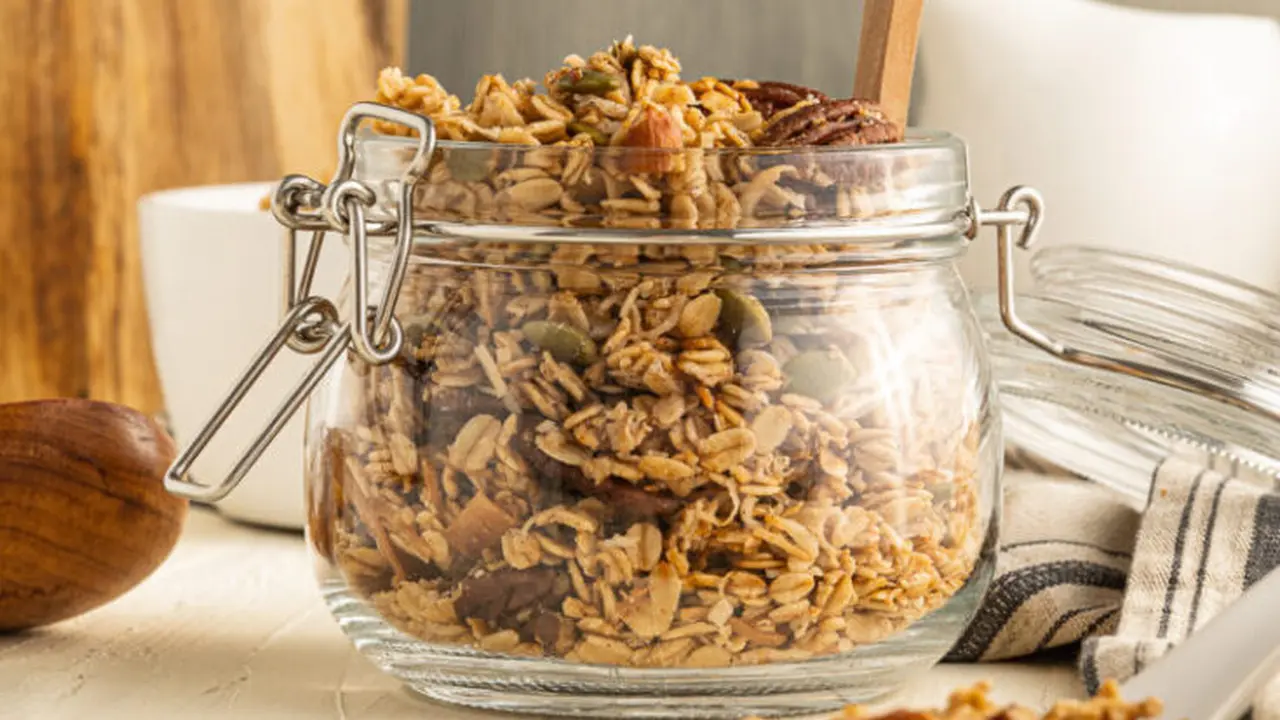
- Bulk Granola: (Approx. $5-$8 per pound) From the bulk bins.
- Fresh Fruit: Sliced bananas, berries, or peaches.
- Nuts and Seeds: Almonds, walnuts, chia seeds, flax seeds.
- Honey or Maple Syrup: Buy in glass jars or larger containers.
Recommended Containers for Yogurt and Toppings
- W&P Porter Ceramic Bowl with Lid: (Approx. $25-$30) Stylish and perfect for yogurt and toppings.
- Small Glass Jars: (Approx. $2-$5 per jar) For carrying toppings separately.
Usage Scenarios and Comparisons
This is a fantastic breakfast or afternoon snack. By buying larger yogurt containers or making your own, and using bulk toppings, you significantly reduce waste compared to single-serving yogurt cups and pre-packaged granola.
10. Homemade Muffins or Scones Baked with Love, Zero Waste
Baking your own muffins, scones, or even cookies is a wonderful way to enjoy a treat without the packaging. You can buy most ingredients (flour, sugar, oats, dried fruit) in bulk.
Tips for Zero Waste Baking
- Use Bulk Ingredients: Stock up on staples from the bulk section.
- Reusable Baking Liners: (Approx. $10-$15 for a set) Silicone muffin liners eliminate the need for paper ones.
Storage Solutions for Baked Goods
- Glass Cake Domes or Containers: (Approx. $20-$50) Keep them fresh on the counter.
- Beeswax Wraps: (Approx. $15-$25 for a set) Wrap individual muffins for lunchboxes.
Usage Scenarios and Comparisons
Perfect for breakfast, a coffee break, or a sweet treat. Homemade baked goods are often healthier, more delicious, and significantly more eco-friendly than store-bought options, which come in plastic trays and wrappers.
Making the Switch to Zero Waste Snacking Easy Steps to Get Started
Transitioning to zero-waste snacking doesn't have to happen overnight. Start small and gradually incorporate more sustainable habits into your routine.
- Audit Your Current Snacks: Look at what you usually eat and identify where the most waste is coming from.
- Invest in Reusables: Start with a few good quality reusable containers, bags, and wraps.
- Explore Bulk Options: Find your local bulk store or a grocery store with a good bulk section.
- Try One Homemade Recipe: Pick one snack from this list and try making it yourself.
- Plan Ahead: Having zero-waste snacks prepped and ready makes it much easier to avoid impulse buys of packaged snacks.
By making these small changes, you'll not only enjoy healthier and often more delicious snacks, but you'll also be doing your part to reduce waste and contribute to a more sustainable planet. Happy snacking!
:max_bytes(150000):strip_icc()/277019-baked-pork-chops-with-cream-of-mushroom-soup-DDMFS-beauty-4x3-BG-7505-5762b731cf30447d9cbbbbbf387beafa.jpg)