Comparing 7 Sustainable Chocolate Brands for Sweet Treats
Indulge responsibly with these 7 sustainable chocolate brands. Discover ethically sourced cocoa and delicious, eco-friendly options.
Indulge responsibly with these 7 sustainable chocolate brands. Discover ethically sourced cocoa and delicious, eco-friendly options.
Comparing 7 Sustainable Chocolate Brands for Sweet Treats
Who doesn't love chocolate? That rich, melt-in-your-mouth goodness is a universal comfort. But as much as we adore our sweet treats, it's becoming increasingly important to consider the impact of our indulgence. The conventional chocolate industry often grapples with issues like deforestation, child labor, unfair wages for farmers, and excessive packaging waste. This is where sustainable chocolate brands step in, offering a delicious alternative that's better for people and the planet.
Choosing sustainable chocolate means you're supporting ethical sourcing practices, fair trade, environmental conservation, and often, organic farming. It's about enjoying your chocolate knowing that the farmers who grew the cocoa beans were paid fairly, that no harmful chemicals were used, and that the production process didn't contribute to deforestation. But with so many brands claiming to be 'sustainable,' how do you know which ones truly walk the talk? That's what we're here to help you with! We've rounded up 7 fantastic sustainable chocolate brands, comparing their ethics, ingredients, taste profiles, and even their price points, so you can make an informed and delicious choice.
Understanding Sustainable Chocolate What to Look For in Ethical Cocoa
Before we dive into the brands, let's quickly cover what makes chocolate 'sustainable.' It's not just a buzzword; there are concrete criteria to consider. Look for certifications like Fair Trade, Rainforest Alliance, or USDA Organic. These labels indicate that the chocolate meets certain standards for social and environmental responsibility. Beyond certifications, consider a brand's transparency. Do they openly share where their cocoa comes from? Do they have direct trade relationships with farmers? Are they committed to reducing their carbon footprint and using eco-friendly packaging? These are all crucial elements of truly sustainable chocolate.
Another key aspect is the ingredients. Sustainable chocolate often uses high-quality, organic cocoa beans, and avoids artificial flavors, excessive sugar, and unhealthy additives. The fewer and simpler the ingredients, the better. Also, consider the packaging. Is it recyclable, compostable, or made from recycled materials? Many sustainable brands are innovating in this area, moving away from single-use plastics.
Brand Spotlight 1 Tony's Chocolonely A Mission Driven Indulgence
Tony's Chocolonely is perhaps one of the most recognizable names in sustainable chocolate, and for good reason. Their mission is bold and clear: to make 100% slave-free chocolate the norm. They achieve this through direct trade relationships with cocoa farmers in Ghana and Ivory Coast, paying them a living wage, and investing in their communities. Their distinctive, unevenly divided bars are a visual representation of the unequal distribution of wealth in the chocolate industry.
Key Features and Offerings
- Ethical Focus: 100% slave-free mission, direct trade, living income for farmers.
- Certifications: Fairtrade certified.
- Ingredients: High-quality Belgian chocolate, often with unique and fun flavor combinations like milk chocolate caramel sea salt, dark chocolate almond sea salt, and white chocolate raspberry popping candy.
- Packaging: Brightly colored, recyclable paper wrappers.
- Taste Profile: Creamy, rich, and often with playful textures and flavors. Their milk chocolate is particularly beloved for its smooth, sweet profile.
- Price Range: Mid-range, typically around $4.00 - $6.00 per 6.35 oz (180g) bar.
Usage Scenarios and Product Recommendations
Tony's Chocolonely is perfect for everyday indulgence, sharing with friends, or as a thoughtful gift. Their unique flavors make them a conversation starter. For a classic experience, try the Milk Chocolate Caramel Sea Salt. If you prefer dark chocolate, the Dark Chocolate Almond Sea Salt is a fantastic choice. They also offer smaller bars, great for portion control or lunchboxes. You can find Tony's Chocolonely at most major grocery stores, specialty food shops, and online retailers like Amazon and Thrive Market.
Brand Spotlight 2 Alter Eco Organic and Fair Trade Excellence
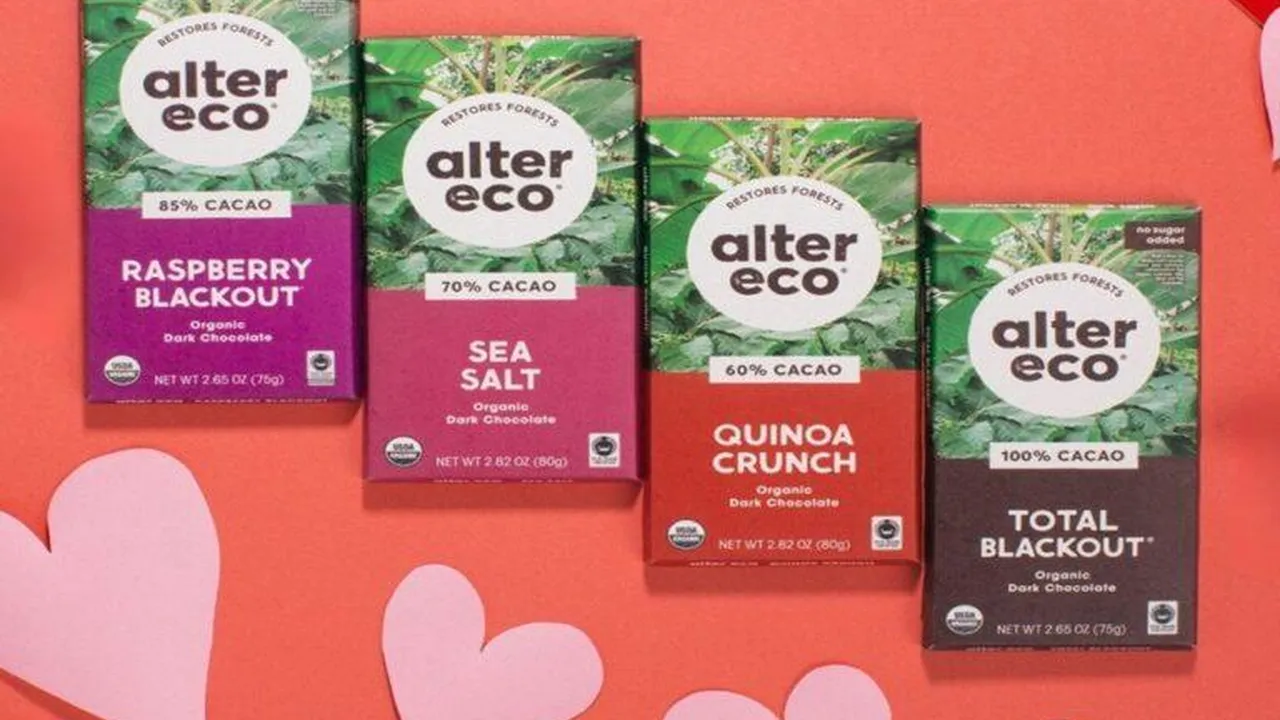
Alter Eco is another pioneer in the sustainable food movement, offering a range of organic, fair trade, and carbon-neutral chocolates. They are deeply committed to regenerative agriculture, working with farmers to improve soil health and biodiversity. Their focus extends beyond just cocoa to other ingredients like quinoa and rice, ensuring a holistic approach to sustainability.
Key Features and Offerings
- Ethical Focus: Fair Trade, organic, carbon neutral, regenerative agriculture.
- Certifications: Fair Trade, USDA Organic, Certified B Corporation.
- Ingredients: High-quality organic cocoa beans, often with unique inclusions like toasted coconut, quinoa, and salted caramel. They offer a wide range of dark chocolate percentages.
- Packaging: Innovative compostable wrappers for many of their truffle products, and recyclable foil/paper for bars.
- Taste Profile: Sophisticated and intense, especially their dark chocolate bars. The truffles are incredibly smooth and decadent.
- Price Range: Mid-to-high range, typically around $3.50 - $5.00 per 2.82 oz (80g) bar, and $7.00 - $9.00 for a bag of truffles.
Usage Scenarios and Product Recommendations
Alter Eco is ideal for the discerning chocolate lover who appreciates complex flavors and a strong commitment to environmental stewardship. Their dark chocolate bars are excellent for baking or pairing with wine. The truffles are a luxurious treat. Try the Dark Blackout 85% Organic Chocolate Bar for a truly intense experience, or the Salted Caramel Truffles for a melt-in-your-mouth delight. Alter Eco products are available at Whole Foods, natural food stores, and online at their website or retailers like Vitacost.
Brand Spotlight 3 Endangered Species Chocolate Protecting Wildlife with Every Bite
Endangered Species Chocolate stands out with its unique mission: to support wildlife conservation. 10% of their net profits are donated to wildlife organizations, and each bar features an endangered animal, raising awareness about their plight. They are committed to ethically sourced, high-quality ingredients.
Key Features and Offerings
- Ethical Focus: 10% of net profits donated to wildlife conservation, ethically sourced cocoa.
- Certifications: Fairtrade, Rainforest Alliance, Non-GMO Project Verified.
- Ingredients: Premium cocoa, often with interesting flavor combinations like forest mint, sea salt and almonds, and espresso beans. They offer a good range of dark chocolate percentages.
- Packaging: Recyclable paper wrappers featuring beautiful illustrations of endangered animals.
- Taste Profile: Smooth, rich, and often with a satisfying snap. Their flavors are well-balanced and appealing to a broad audience.
- Price Range: Mid-range, typically around $3.00 - $4.50 per 3 oz (85g) bar.
Usage Scenarios and Product Recommendations
Endangered Species Chocolate is a great choice for anyone who wants their chocolate habit to contribute directly to a good cause. It's also a fantastic option for kids and adults alike, with approachable flavors and educational packaging. The Dark Chocolate with Forest Mint is a refreshing classic, while the Dark Chocolate with Sea Salt & Almonds offers a delightful crunch. You can find them in many grocery stores, natural food markets, and online.
Brand Spotlight 4 Theo Chocolate Organic and Fair Trade from Bean to Bar
Theo Chocolate holds the distinction of being the first organic, fair trade, bean-to-bar chocolate maker in North America. This means they control every step of the chocolate-making process, from sourcing the cocoa beans directly from farmers to crafting the finished bars in their Seattle factory. This level of control ensures transparency and quality at every stage.
Key Features and Offerings
- Ethical Focus: Organic, Fair Trade, bean-to-bar production, direct relationships with farmers.
- Certifications: Fair Trade, USDA Organic, Non-GMO Project Verified.
- Ingredients: High-quality organic cocoa beans, often with unique and sophisticated flavor pairings like salted almond, coffee toffee, and ginger.
- Packaging: Recyclable paper and foil wrappers.
- Taste Profile: Complex and nuanced, reflecting the quality of their single-origin beans. Their dark chocolates are particularly well-regarded for their depth of flavor.
- Price Range: Mid-to-high range, typically around $4.00 - $6.00 per 3 oz (85g) bar.
Usage Scenarios and Product Recommendations
Theo Chocolate is perfect for the chocolate connoisseur who appreciates the artistry of bean-to-bar production and complex flavor profiles. It's also a wonderful gift for foodies. For a classic, try the 70% Dark Chocolate Bar. If you're feeling adventurous, the Salted Almond Dark Chocolate offers a delightful balance of sweet and savory. Theo Chocolate is widely available at specialty food stores, Whole Foods, and online retailers.
Brand Spotlight 5 Hu Kitchen Simple Ingredients Uncompromised Taste
Hu Kitchen, often simply called Hu, has gained a loyal following for its commitment to 'Hu-man' friendly ingredients. Their chocolates are made with simple, organic, and paleo-friendly ingredients, free from refined sugar, dairy, soy lecithin, and sugar alcohols. While not explicitly a 'fair trade' brand in the traditional sense, they prioritize ethical sourcing and high-quality, transparent ingredients.
Key Features and Offerings
- Ethical Focus: Simple, organic, paleo-friendly ingredients, ethical sourcing (though not always Fair Trade certified).
- Certifications: USDA Organic, Non-GMO Project Verified, Certified Paleo.
- Ingredients: Organic cacao, unrefined coconut sugar, and often unique additions like cashew butter, puffed quinoa, and vanilla bean.
- Packaging: Recyclable paper and foil wrappers.
- Taste Profile: Rich, less sweet than conventional chocolate, with a smooth texture. The absence of refined sugar and dairy gives it a distinct, clean taste.
- Price Range: High-end, typically around $5.00 - $7.00 per 2.1 oz (60g) bar.
Usage Scenarios and Product Recommendations
Hu Chocolate is ideal for those with dietary restrictions (dairy-free, paleo, vegan) or anyone looking for a cleaner, less sweet chocolate experience. It's a great option for a healthy-ish treat or for baking. The Cashew Butter + Vanilla Bean Dark Chocolate is incredibly creamy and satisfying, while the Salty Dark Chocolate offers a perfect balance of flavors. You can find Hu Kitchen products at Whole Foods, health food stores, and online at their website or Amazon.
Brand Spotlight 6 Divine Chocolate Farmer Owned and Fair Trade
Divine Chocolate is unique because it's co-owned by the cocoa farmers themselves. Kuapa Kokoo, a cooperative of cocoa farmers in Ghana, owns 44% of Divine Chocolate, giving them a significant voice in how the company is run and ensuring they receive a larger share of the profits. This direct ownership model is a powerful example of true fair trade.
Key Features and Offerings
- Ethical Focus: Farmer-owned, Fair Trade, empowering cocoa farmers.
- Certifications: Fairtrade certified.
- Ingredients: High-quality cocoa from Ghana, often with classic flavors like milk chocolate, dark chocolate with raspberries, and white chocolate with strawberries.
- Packaging: Recyclable paper and foil wrappers.
- Taste Profile: Smooth, accessible, and comforting. Their milk chocolate is particularly creamy, and their dark chocolates are well-balanced.
- Price Range: Mid-range, typically around $3.50 - $5.00 per 3.5 oz (100g) bar.
Usage Scenarios and Product Recommendations
Divine Chocolate is an excellent choice for anyone who wants to directly support cocoa farmers and enjoy delicious, ethically produced chocolate. It's great for everyday snacking, baking, or as a gift. The Milk Chocolate with Toffee & Sea Salt is a popular choice, offering a delightful crunch and sweet-savory balance. For dark chocolate lovers, the 70% Dark Chocolate Bar is a solid option. Divine Chocolate is available at many grocery stores, specialty food shops, and online.
Brand Spotlight 7 Taza Chocolate Stone Ground and Organic
Taza Chocolate brings a unique approach to chocolate making with its traditional Mexican stone-ground method. This process results in a bolder, less refined texture with a delightful grittiness that allows the true flavor of the cocoa bean to shine through. They are committed to direct trade, ensuring fair wages and sustainable practices for their cocoa farmers.
Key Features and Offerings
- Ethical Focus: Direct Trade, organic, stone-ground process.
- Certifications: USDA Organic, Direct Trade certified.
- Ingredients: Organic cocoa beans, organic cane sugar, and often natural flavorings like vanilla, cinnamon, and chili.
- Packaging: Recyclable paper and foil wrappers.
- Taste Profile: Bold, intense, and rustic with a unique gritty texture. The flavors are pure and unadulterated, often with a hint of fruitiness or spice.
- Price Range: Mid-to-high range, typically around $4.00 - $6.00 per 2.5 oz (70g) disc or bar.
Usage Scenarios and Product Recommendations
Taza Chocolate is perfect for those who appreciate a more traditional, intense chocolate experience and are open to a different texture. It's fantastic for eating on its own, grating over desserts, or making authentic Mexican hot chocolate. Try the Organic Deliciously Dark 70% Stone Ground Chocolate Disc for a pure cocoa experience, or the Organic Guajillo Chili Stone Ground Chocolate Disc for a spicy kick. Taza Chocolate is available at Whole Foods, specialty food stores, and online.
Making Your Sustainable Chocolate Choice Ethical Indulgence for Everyone
As you can see, there's a fantastic array of sustainable chocolate brands out there, each with its own unique approach to ethical sourcing, environmental responsibility, and delicious flavor. Whether you prioritize slave-free missions, wildlife conservation, farmer ownership, or clean ingredients, there's a sustainable chocolate brand that aligns with your values.
When making your choice, consider what's most important to you. Do you want to support direct trade and living wages for farmers? Look for brands like Tony's Chocolonely, Alter Eco, Theo Chocolate, and Divine Chocolate. Are you passionate about organic ingredients and regenerative agriculture? Alter Eco and Theo Chocolate are excellent choices. If you have dietary restrictions or prefer a cleaner ingredient list, Hu Kitchen is a standout. And if you want your chocolate to contribute to wildlife conservation, Endangered Species Chocolate is a clear winner. For a unique, traditional experience, Taza Chocolate offers something truly special.
Remember, every purchase you make is a vote for the kind of world you want to live in. By choosing sustainable chocolate, you're not just treating yourself; you're supporting a more equitable, environmentally friendly, and delicious future for everyone involved in the chocolate industry, from the cocoa farmers to the planet itself. So go ahead, indulge responsibly, and savor every bite of your ethically sourced sweet treat!
Beyond the Bar Exploring Sustainable Chocolate Products and Uses
Sustainable chocolate isn't just about the bars you snack on. Many of these brands also offer other products that allow you to incorporate ethical cocoa into various aspects of your culinary life. For example, Alter Eco offers organic cocoa powder, perfect for baking or making hot chocolate. Theo Chocolate has baking chocolate and cocoa nibs, which add a delightful crunch and intense chocolate flavor to oatmeal, yogurt, or baked goods. Taza Chocolate's discs are traditionally used for making rich, frothy Mexican hot chocolate, a truly authentic experience.
Consider using sustainable chocolate chips from brands like Enjoy Life (which is also allergy-friendly) or Guittard (which has strong sustainability commitments) in your cookies, brownies, and other desserts. This ensures that even your homemade treats are made with ethically sourced ingredients. Some brands also offer sustainable chocolate spreads or drinking chocolate mixes, providing even more ways to enjoy your favorite flavor responsibly.
The versatility of sustainable chocolate means you can make a positive impact with almost any chocolate-related purchase. From a simple snack to an elaborate dessert, choosing sustainable options helps drive demand for ethical practices across the entire industry. It's a small change that can lead to a big difference.
The Future of Sustainable Chocolate Innovations and Challenges
The sustainable chocolate movement is constantly evolving, with new innovations and ongoing challenges. One exciting area is the development of more sustainable packaging solutions. Brands are experimenting with fully compostable wrappers, plant-based plastics, and even reusable containers to further reduce waste. Another focus is on agroforestry, integrating cocoa trees with other crops and native trees to promote biodiversity and carbon sequestration, moving beyond just 'shade-grown' cocoa to truly regenerative systems.
However, challenges remain. Climate change poses a significant threat to cocoa farming, with changing weather patterns impacting yields and quality. The issue of child labor, while being addressed by many sustainable brands, is deeply entrenched in some regions and requires continuous vigilance and systemic change. Ensuring a living income for all cocoa farmers, not just those in direct trade relationships, is another monumental task that the industry is collectively working towards.
Consumer awareness also plays a crucial role. The more consumers demand sustainable chocolate, the more pressure is put on conventional brands to adopt better practices. Education about the issues in the chocolate industry and the benefits of sustainable alternatives is key to driving this change. By staying informed and making conscious choices, we can all contribute to a more ethical and sustainable future for chocolate.
Comparing Price Points and Value Sustainable Chocolate for Every Budget
While sustainable chocolate often comes with a slightly higher price tag than conventional options, it's important to understand the value you're getting. That extra cost typically reflects fair wages for farmers, investments in sustainable farming practices, higher quality ingredients, and often, more eco-friendly packaging. It's an investment in ethical production and a better product.
However, 'sustainable' doesn't always mean 'expensive.' As we've seen, brands like Tony's Chocolonely and Endangered Species Chocolate offer excellent value in the mid-range. While Hu Kitchen and Theo Chocolate might be at the higher end, their unique ingredient profiles and bean-to-bar quality justify the price for many consumers. It's also worth noting that many sustainable brands offer smaller, more affordable sizes, allowing you to try different options without a huge commitment.
Consider buying in bulk or looking for sales if price is a major concern. Many online retailers offer discounts for larger orders. Ultimately, the 'value' of sustainable chocolate extends beyond just the monetary cost; it includes the social and environmental benefits that come with every purchase. It's about aligning your spending with your values, and enjoying a superior product in the process.
Where to Buy Sustainable Chocolate Online and In Store Options
Finding sustainable chocolate is becoming easier than ever. Most of the brands we've discussed are widely available, both online and in brick-and-mortar stores.
Online Retailers
- Brand Websites: Many brands, like Alter Eco, Theo Chocolate, Hu Kitchen, and Taza Chocolate, sell directly from their own websites. This often gives you access to their full product range and sometimes exclusive offers.
- Amazon: A vast selection of sustainable chocolate brands can be found on Amazon, often with competitive pricing and convenient delivery.
- Thrive Market: This membership-based online retailer specializes in organic and sustainable products, often at a discount. You'll find many of these brands here.
- Vitacost: Similar to Thrive Market, Vitacost offers a wide range of natural and organic groceries, including sustainable chocolate.
- Specialty Online Food Stores: Websites like iHerb or local gourmet food delivery services might also carry these brands.
In-Store Options
- Whole Foods Market: A prime destination for organic and sustainable products, Whole Foods typically carries a wide selection of the brands mentioned, including Alter Eco, Theo Chocolate, Hu Kitchen, and Taza Chocolate.
- Natural Food Stores: Independent health food stores and co-ops are excellent places to find a curated selection of sustainable chocolate.
- Major Grocery Chains: Many mainstream supermarkets are increasing their offerings of ethical and organic products. Look for brands like Tony's Chocolonely, Endangered Species Chocolate, and Divine Chocolate in the natural foods or specialty aisles.
- Specialty Food Shops: Gourmet food stores and chocolatiers often carry high-quality, ethically sourced chocolate.
Before heading out, it's always a good idea to check the brand's website for a store locator to find retailers near you. Happy hunting for your next delicious and ethical chocolate treat!
:max_bytes(150000):strip_icc()/277019-baked-pork-chops-with-cream-of-mushroom-soup-DDMFS-beauty-4x3-BG-7505-5762b731cf30447d9cbbbbbf387beafa.jpg)