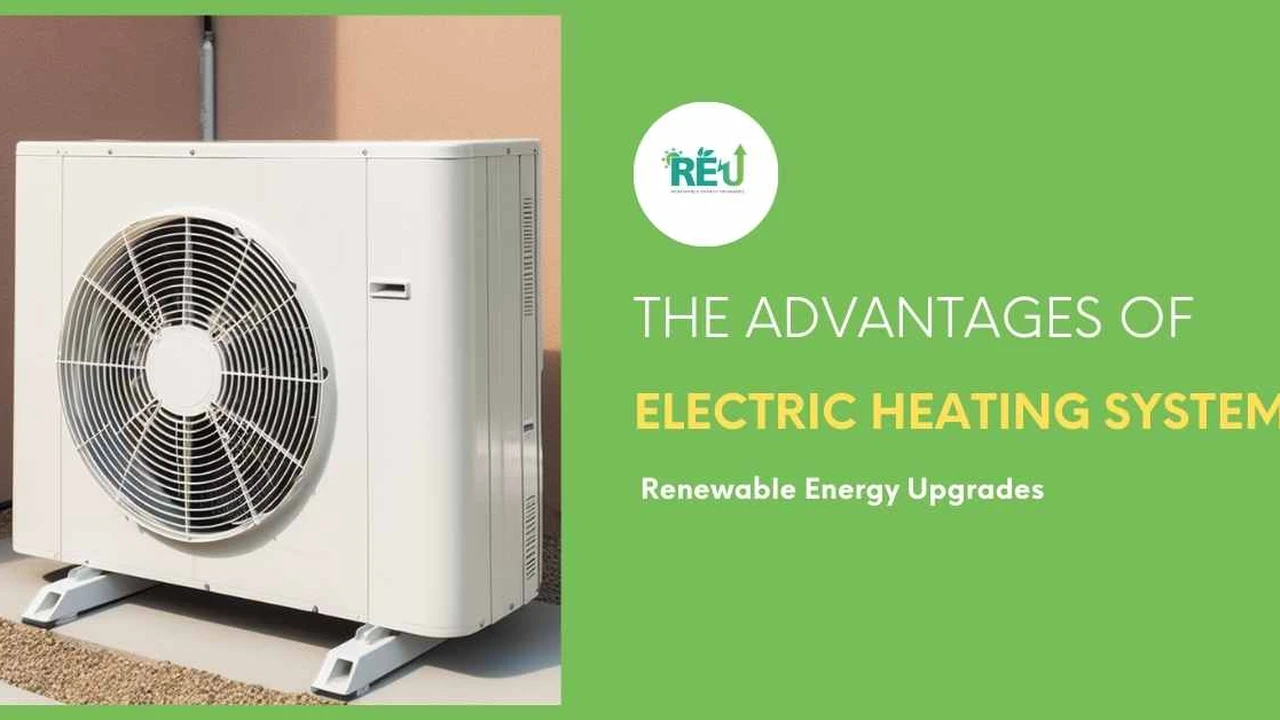
Comparing 4 Sustainable Home Heating Systems for Efficiency
Stay cool sustainably with these 7 best eco-friendly home cooling solutions. Explore natural ventilation, smart thermostats, and efficient AC.
Stay cool sustainably with these 7 best eco-friendly home cooling solutions. Explore natural ventilation, smart thermostats, and efficient AC.
Comparing 7 Sustainable Home Cooling Solutions for Summer
Embracing Eco Friendly Cooling for a Greener Home
Summer is here, and with it comes the inevitable rise in temperatures. While cranking up the air conditioning might seem like the easiest solution, it often comes with a hefty environmental and financial cost. The good news is that staying cool doesn't have to mean sacrificing your commitment to sustainable living. In fact, there are numerous eco-friendly home cooling solutions available today that can help you beat the heat, reduce your carbon footprint, and even save money on your energy bills. This comprehensive guide will delve into seven of the best sustainable cooling methods, offering detailed comparisons, product recommendations, usage scenarios, and pricing insights to help you make informed choices for a greener, cooler home.
Natural Ventilation Strategies for Passive Cooling
Before we even consider technology, let's talk about the power of natural ventilation. This is often the most overlooked, yet incredibly effective, sustainable cooling solution. It's about working with nature, not against it. The core principle is to create airflow that flushes out warm air and draws in cooler air. This is particularly effective during cooler evenings and mornings.
Cross Ventilation Techniques and Best Practices
Cross ventilation involves opening windows and doors on opposite sides of your home to create a natural breeze. The key is to understand wind direction and strategically open openings to maximize airflow. For instance, if the wind is coming from the west, open windows on the west side and east side of your house. This creates a pressure differential that pulls air through your home. For optimal results, consider opening windows at different heights – a lower window on the windward side and a higher window on the leeward side can create a 'stack effect,' where warm air rises and escapes through the higher opening, drawing in cooler air from below. This is especially useful in multi-story homes.
Night Purge Ventilation for Cooler Mornings
Night purge ventilation is a fantastic strategy for regions with significant temperature drops overnight. The idea is to open up your home completely during the cooler evening and night hours, allowing the cool air to flush out the heat accumulated during the day. Then, as the sun rises and temperatures begin to climb, you close up your home, trapping the cooler air inside. This can significantly delay the need for mechanical cooling and keep your home comfortable well into the afternoon. Consider installing window and door screens to keep insects out while enjoying the fresh night air.
Smart Thermostats for Optimized Energy Efficiency
Smart thermostats are a game-changer for energy-efficient cooling. They go beyond simple programming, learning your habits and adjusting temperatures automatically to save energy without sacrificing comfort. They are a crucial component of any modern sustainable home cooling strategy.
Top Smart Thermostat Models and Features
* Nest Learning Thermostat (3rd Gen): This iconic smart thermostat learns your schedule and preferences, automatically adjusting the temperature. It features a sleek design, remote control via smartphone, and integration with other smart home devices. It also offers an 'Eco Mode' that kicks in when you're away, further reducing energy consumption. Price: Around $249. Usage Scenario: Ideal for homeowners who want a set-it-and-forget-it solution that intelligently optimizes their cooling. Its learning capabilities mean less manual adjustment.
* Ecobee SmartThermostat with Voice Control: The Ecobee stands out with its remote sensors that can be placed in different rooms, ensuring consistent comfort throughout your home. It also integrates with voice assistants like Alexa and Google Assistant, allowing for hands-free control. Its 'Follow Me' feature uses motion sensors to detect occupancy and adjust temperatures accordingly. Price: Around $219. Usage Scenario: Perfect for larger homes or homes with uneven cooling, as the remote sensors address hot and cold spots. Voice control adds convenience.
* Honeywell Home T9 Smart Thermostat: This thermostat offers room sensors with humidity detection, providing a more comprehensive understanding of your home's comfort levels. It's known for its user-friendly interface and robust app control. It also offers geofencing, which can automatically adjust the temperature based on your proximity to home. Price: Around $199. Usage Scenario: A great option for those who prioritize precise temperature and humidity control in specific areas of their home, and appreciate a straightforward user experience.
Comparing Smart Thermostat Benefits and Costs
While the initial investment in a smart thermostat might seem higher than a traditional programmable one, the long-term energy savings often outweigh the cost. They typically save 10-15% on cooling costs annually. The choice between models often comes down to specific features like remote sensors, voice control, and integration with other smart home ecosystems. All three recommended models offer robust energy reporting, allowing you to track your energy consumption and identify areas for further savings.
Efficient Air Conditioning Systems for Reduced Energy Consumption
Sometimes, natural ventilation and smart thermostats aren't enough, especially in very hot and humid climates. When mechanical cooling is necessary, opting for an energy-efficient air conditioning system is paramount for sustainable living.
High SEER Rated AC Units and Their Advantages
SEER (Seasonal Energy Efficiency Ratio) is a measure of an air conditioner's cooling output over a typical cooling season divided by the total electric energy input during the same period. Higher SEER ratings indicate greater energy efficiency. Modern AC units with SEER ratings of 16 or higher are significantly more efficient than older models (which might have SEER ratings as low as 8 or 10). This translates directly into lower electricity bills and a reduced carbon footprint. Look for units with variable-speed compressors, which can adjust their output to match the cooling demand, rather than constantly cycling on and off at full power.
Ductless Mini Split Systems for Zoned Cooling
Ductless mini-split systems offer a highly efficient and flexible alternative to traditional central air conditioning, especially for homes without existing ductwork or for cooling specific zones. They consist of an outdoor compressor/condenser and one or more indoor air-handling units. Each indoor unit can be controlled independently, allowing you to cool only the rooms you're using, which is a huge energy saver. They are also known for their quiet operation and easy installation.
* Mitsubishi Electric Hyper-Heating H2i Series: Known for its exceptional efficiency and ability to provide both heating and cooling even in extreme temperatures. These units are incredibly quiet and offer advanced filtration. Price: Varies widely based on capacity and number of indoor units, typically $3,000 - $15,000 installed. Usage Scenario: Ideal for additions, converted spaces, or homes where zoning is desired and high efficiency is a priority.
* LG Art Cool Gallery Mini Split: This system combines efficiency with aesthetics, allowing you to display custom artwork or photos on the indoor unit. It offers powerful cooling and heating, along with smart features and quiet operation. Price: Similar to Mitsubishi, $2,500 - $12,000 installed. Usage Scenario: Perfect for homeowners who want a high-performing mini-split that also blends seamlessly with their interior design.
Ceiling Fans for Enhanced Air Circulation
Ceiling fans are an often-underestimated tool in sustainable home cooling. They don't actually lower the temperature of a room, but they create a wind-chill effect that makes you *feel* cooler, allowing you to set your thermostat a few degrees higher without sacrificing comfort. This can lead to significant energy savings.
Energy Star Rated Ceiling Fans and Their Impact
When choosing a ceiling fan, look for models with the Energy Star label. These fans are designed to be more energy-efficient than conventional models, moving air more effectively with less electricity. They often feature more efficient motors and aerodynamic blade designs. Remember to run your ceiling fan counter-clockwise in the summer to push air down and create that cooling breeze. In winter, reverse the direction to gently pull warm air up and circulate it throughout the room.
* Hunter Fan Company Dempsey Low Profile Ceiling Fan: A popular Energy Star rated fan known for its modern design, quiet operation, and remote control. It's suitable for various room sizes. Price: Around $150 - $250. Usage Scenario: Great for bedrooms, living rooms, or any space where you want to improve air circulation and feel cooler without lowering the thermostat too much.
* Casablanca Fan Company Wisp Ceiling Fan: This fan offers a sleek, minimalist design and is highly energy-efficient. It often comes with a wall control and can be integrated with smart home systems. Price: Around $300 - $500. Usage Scenario: Ideal for contemporary spaces where design and energy efficiency are equally important.
Window Treatments for Solar Heat Gain Reduction
Blocking the sun's heat before it enters your home is one of the most effective passive cooling strategies. Windows are a major source of heat gain, especially on the sunny side of your house. Smart window treatments can make a significant difference.
Insulated Curtains and Blinds for Heat Blocking
Insulated curtains and blinds are designed with multiple layers or special coatings to block solar radiation and prevent heat transfer. They are particularly effective on south and west-facing windows. Look for options with a light-colored backing to reflect sunlight away from your home. When closed during the hottest parts of the day, they can dramatically reduce the amount of heat entering your living space.
* Nicetown Thermal Insulated Blackout Curtains: These popular curtains offer excellent thermal insulation and blackout capabilities, effectively blocking sunlight and heat. They come in various colors and sizes. Price: Around $30 - $80 per panel, depending on size. Usage Scenario: Perfect for bedrooms or any room that receives direct sunlight and needs significant heat blocking and light control.
* Bali Blinds Cellular Shades: Cellular shades (also known as honeycomb shades) trap air in their honeycomb-shaped cells, providing excellent insulation. They are available in various opacities, from light-filtering to blackout. Price: Around $50 - $200+ per shade, depending on size and features. Usage Scenario: A versatile option for any window, offering both insulation and aesthetic appeal. Blackout versions are great for bedrooms.
Exterior Shading Solutions for Optimal Sun Control
Exterior shading is even more effective than interior options because it blocks the sun's rays before they even hit the window glass. This can include awnings, pergolas with climbing plants, or strategically planted deciduous trees that provide shade in summer and allow sun through in winter.
* Retractable Awnings: These can be extended during sunny hours and retracted when not needed, offering flexible shade. They come in various fabrics and colors. Price: $500 - $3,000+ installed, depending on size and motorization. Usage Scenario: Excellent for patios, decks, or large windows that receive intense direct sunlight. Retractability offers flexibility.
* Greenhouse Fabrics Shade Cloth: A more DIY-friendly and affordable option, shade cloth can be temporarily installed over windows or pergolas to block a percentage of sunlight. Available in various shade percentages. Price: Around $0.50 - $2.00 per square foot. Usage Scenario: A cost-effective solution for temporary shading or for specific areas that need significant sun protection.
Whole House Fans for Efficient Air Exchange
Whole house fans are a fantastic sustainable cooling solution for homes in climates where evening temperatures drop significantly. They work by pulling cool air in through open windows and pushing hot air out through attic vents, effectively flushing out the heat from your entire home.
QuietCool Whole House Fan Systems and Installation
QuietCool is a leading brand in whole house fans, known for its quiet operation and energy efficiency. These fans are installed in your attic and are designed to quickly and efficiently exchange the air in your home. They are most effective when the outdoor temperature is cooler than the indoor temperature, typically in the evenings and early mornings. They can cool your home for a fraction of the cost of air conditioning.
* QuietCool AFG PRO-3.0 Whole House Fan: This model is designed for larger homes and offers powerful airflow with relatively quiet operation. It comes with a remote control and timer. Price: Around $800 - $1,200 for the unit, plus installation costs (which can range from $300 - $800). Usage Scenario: Ideal for homes up to 2,000 sq ft, providing rapid air exchange and significant cooling during cooler evening hours.
* QuietCool Stealth Pro-2.0 Whole House Fan: A quieter and more compact option, suitable for smaller to medium-sized homes. It also features a remote control and timer. Price: Around $600 - $900 for the unit, plus installation. Usage Scenario: Great for homes up to 1,500 sq ft, offering a balance of performance and quiet operation.
Comparing Whole House Fan Benefits and Energy Savings
Whole house fans can reduce your air conditioning usage by 50-90%, leading to substantial energy savings. They are much more energy-efficient than AC units, using only a fraction of the electricity. The key is to use them strategically when outdoor temperatures are favorable. They also improve indoor air quality by bringing in fresh outdoor air.
Cool Roof Technology for Reduced Heat Absorption
Your roof is the largest surface of your home exposed to the sun, and it absorbs a tremendous amount of heat. A 'cool roof' is designed to reflect more sunlight and absorb less heat than a standard roof, significantly reducing the amount of heat transferred into your attic and living spaces.
Reflective Roofing Materials and Their Performance
Cool roofs can be made from various materials, including special reflective coatings applied to existing roofs, cool-colored shingles, or metal roofing. The key is their high solar reflectance (how much sunlight they reflect) and high thermal emittance (how well they radiate absorbed heat). These properties help keep the roof surface and the interior of your home cooler.
* GAF Timberline Cool Series Shingles: These asphalt shingles are designed with special granules that reflect solar energy, offering a cool roof solution with the traditional look of asphalt shingles. They come in various colors. Price: Similar to standard architectural shingles, but often with a slight premium, typically $100 - $150 per square (100 sq ft) for materials. Installation costs vary widely. Usage Scenario: Ideal for homeowners who want a cool roof without deviating from the aesthetic of traditional asphalt shingles.
* Metal Roofing (e.g., standing seam metal): Metal roofs are inherently reflective, especially lighter colors. They are also durable and long-lasting. Many metal roofing products are Energy Star certified. Price: Significantly higher than asphalt shingles, typically $300 - $800+ per square for materials, plus installation. Usage Scenario: A premium, long-term solution for homeowners seeking maximum reflectivity, durability, and a modern aesthetic.
* White Elastomeric Roof Coatings: These liquid coatings can be applied to existing flat or low-slope roofs (like those on commercial buildings or some residential additions) to create a highly reflective surface. Price: Around $0.50 - $2.00 per square foot for materials, plus labor. Usage Scenario: A cost-effective way to convert an existing dark, flat roof into a cool roof, significantly reducing heat gain.
Comparing Cool Roof Options and Long Term Savings
While the initial cost of a cool roof might be higher than a conventional roof, the long-term savings on cooling costs can be substantial, often reducing AC usage by 10-30%. Cool roofs also extend the lifespan of your roof by reducing thermal stress and can even help mitigate the urban heat island effect in densely populated areas. The choice depends on your budget, aesthetic preferences, and existing roof type.
Geothermal Cooling Systems for Ultimate Efficiency
Geothermal cooling systems represent the pinnacle of sustainable home cooling, offering unparalleled efficiency by harnessing the stable temperature of the earth. While the upfront investment is significant, the long-term savings and environmental benefits are immense.
How Geothermal HVAC Works for Sustainable Comfort
Geothermal systems work by exchanging heat with the earth through a series of underground pipes (a 'loop field'). In summer, the system extracts heat from your home and transfers it into the cooler ground. In winter, the process is reversed, drawing heat from the earth to warm your home. Because the ground temperature is relatively constant year-round, geothermal systems are incredibly efficient, typically 300-500% efficient, meaning they deliver 3 to 5 units of heating or cooling for every 1 unit of electricity consumed.
* WaterFurnace 7 Series Geothermal System: WaterFurnace is a leading manufacturer of geothermal systems, known for their high efficiency and reliability. The 7 Series offers variable speed technology for precise comfort control and significant energy savings. Price: Highly variable, typically $20,000 - $40,000+ installed, depending on home size, loop field type (horizontal, vertical, pond), and local geology. Usage Scenario: Best for new constructions or major renovations where the high upfront cost can be justified by long-term savings and environmental commitment. Suitable for any climate.
* Bosch Greensource CDi Series Geothermal Heat Pump: Bosch offers robust and efficient geothermal systems that provide both heating and cooling. They are known for their quiet operation and durable components. Price: Similar to WaterFurnace, $18,000 - $35,000+ installed. Usage Scenario: Another excellent choice for homeowners seeking the highest level of energy efficiency and a reduced carbon footprint for their heating and cooling needs.
Comparing Geothermal System Costs and ROI
The initial cost of a geothermal system is considerably higher than conventional HVAC. However, the operating costs are significantly lower, often saving 50-70% on heating and cooling bills. The payback period typically ranges from 5-10 years, after which you enjoy substantial savings for the lifespan of the system (which can be 20-25 years for the indoor unit and 50+ years for the loop field). Furthermore, government incentives and tax credits can often offset a portion of the upfront cost, making geothermal a more attractive long-term investment for sustainable comfort.
:max_bytes(150000):strip_icc()/277019-baked-pork-chops-with-cream-of-mushroom-soup-DDMFS-beauty-4x3-BG-7505-5762b731cf30447d9cbbbbbf387beafa.jpg)