Comparing 4 Sustainable Food Storage Solutions for Freshness
Keep your food fresh longer with these 4 sustainable food storage solutions. Compare reusable bags, containers, and wraps for eco-friendly living.
Keep your food fresh longer with these 4 sustainable food storage solutions. Compare reusable bags, containers, and wraps for eco-friendly living.
Comparing 4 Sustainable Food Storage Solutions for Freshness
Hey there, eco-conscious foodies! Are you tired of tossing out perfectly good food because it went bad too quickly? Or maybe you're just fed up with the endless parade of single-use plastic wrap and flimsy containers cluttering your kitchen? You're not alone! In today's world, where sustainability is more important than ever, finding effective and eco-friendly ways to store our food is a game-changer. Not only does it help reduce food waste, which is a massive environmental problem, but it also cuts down on plastic pollution, saves you money in the long run, and often keeps your food tasting better. We're talking about a win-win-win situation here!
The good news is, the market for sustainable food storage has exploded, offering a fantastic array of options beyond the traditional plastic containers. From innovative silicone bags to charming beeswax wraps, and from durable glass containers to versatile stainless steel, there's a sustainable solution for every need and every kitchen. But with so many choices, how do you pick the best ones for you? That's where we come in! We're going to dive deep into four of the most popular and effective sustainable food storage solutions, comparing their features, benefits, ideal uses, and even some specific product recommendations with their price points. Get ready to revolutionize your kitchen and embrace a fresher, greener way of living!
Silicone Food Storage Bags The Flexible and Versatile Choice
Let's kick things off with silicone food storage bags. These aren't your grandma's plastic baggies; these are a whole new level of awesome. Made from food-grade silicone, they're incredibly durable, flexible, and designed to last for years. Think of them as the superhero version of a Ziploc bag, but without the guilt of single-use plastic. They're fantastic for a wide range of uses, from storing leftovers in the fridge to freezing fruits and vegetables, and even for sous vide cooking or reheating food in the microwave. Their airtight seals are a major plus, keeping your food fresh and preventing leaks.
Why Choose Silicone Bags Key Benefits and Uses
- Durability and Reusability: Silicone bags are built to withstand repeated use, washing, and various temperatures. This means you're not constantly buying and throwing away plastic bags, significantly reducing your waste.
- Temperature Versatility: Most silicone bags can go from the freezer to the microwave or even a boiling pot of water without a hitch. This makes them incredibly convenient for meal prep and reheating.
- Airtight Seal: The strong, often pinch-lock or slider-bar seals, create an airtight environment that keeps food fresher for longer and prevents spills.
- Easy to Clean: Many are dishwasher safe, making cleanup a breeze.
- Space-Saving: When not in use, they can be flattened or rolled up, taking up minimal drawer space.
Recommended Silicone Bag Products and Pricing
When it comes to silicone bags, a few brands stand out for their quality and innovation:
-
Stasher Reusable Silicone Storage Bags: Stasher is arguably the most well-known brand in this category, and for good reason. They offer a wide range of sizes, from snack to half-gallon, and come in a rainbow of colors. Their patented Pinch-Loc™ seal is incredibly effective. They're freezer, microwave, dishwasher, and even oven safe (up to 400°F/200°C). They're perfect for everything from packing snacks for kids to marinating meat or storing soup. A 4-pack bundle (sandwich, snack, half-gallon, stand-up mid) typically retails for around $50-$60 USD. Individual bags range from $10-$25 USD depending on size.
Use Case: I use my Stasher bags constantly for freezing berries, storing chopped vegetables, and even packing my lunch. The stand-up bags are brilliant for soups and stews.
-
Zip Top Reusable Silicone Containers: Zip Top takes the silicone bag concept and gives it a stable base, making them stand upright like a container. They come in various shapes (dishes, cups, bags) and sizes, eliminating the need for lids. They're also freezer, microwave, and dishwasher safe. These are fantastic for meal prep, storing leftovers, or even as a reusable snack cup. A set of 3 (small, medium, large cups) might cost around $35-$45 USD. Individual pieces range from $15-$30 USD.
Use Case: Zip Top containers are my go-to for storing dips, sauces, or even a small portion of pasta salad. They're super convenient because they stand on their own.
-
(Budget-Friendly Option) Homelux Theory Reusable Silicone Food Storage Bags: If you're looking for a more budget-conscious entry into silicone bags, brands like Homelux Theory offer similar functionality at a lower price point. They often come in multi-packs with various sizes. While the silicone might be slightly thinner than Stasher, they still offer good performance for everyday use. A 10-pack (various sizes) could be found for around $25-$35 USD.
Use Case: Great for beginners or those needing a large quantity of bags for bulk freezing or general pantry organization without breaking the bank.
Beeswax Wraps The Natural and Breathable Alternative
Next up, we have beeswax wraps – a charming and natural alternative to plastic wrap. These are typically made from organic cotton infused with beeswax, jojoba oil, and tree resin. The warmth of your hands makes them pliable, allowing you to mold them around food items or over bowls. As they cool, they create a gentle seal that keeps food fresh while still allowing it to breathe, which is particularly good for certain produce.
Benefits of Beeswax Wraps Eco Friendly and Functional
- Natural and Biodegradable: Made from natural materials, they are compostable at the end of their life, leaving no harmful waste.
- Breathable: Unlike plastic wrap, beeswax wraps allow food to breathe, which can extend the life of certain fruits, vegetables, and baked goods by preventing moisture buildup.
- Reusable: With proper care, a single wrap can last for up to a year or even longer.
- Antimicrobial Properties: Beeswax and jojoba oil naturally have antimicrobial properties, which can help keep food fresh.
- Aesthetic Appeal: Let's be honest, they just look nicer than plastic wrap!
Best Beeswax Wrap Products and Price Points
When selecting beeswax wraps, look for good quality fabric and a consistent wax coating:
-
Bee's Wrap Reusable Food Wraps: Bee's Wrap is a pioneer in the market and a highly respected brand. They offer a variety of sizes and patterns, including sandwich wraps and bread wraps. Their wraps are durable and have a good balance of stickiness and flexibility. A multi-pack of 3 assorted sizes (small, medium, large) typically costs around $18-$22 USD. A single large wrap might be $12-$15 USD.
Use Case: I use Bee's Wrap for covering half an avocado, wrapping a block of cheese, or covering a bowl of leftovers. They're especially good for keeping bread fresh without making it soggy.
-
Abeego Beeswax Food Wraps: Abeego prides itself on being the original beeswax wrap and focuses on keeping food alive. Their wraps are known for being particularly durable and having a strong, yet breathable, seal. They come in various sizes and are great for wrapping sandwiches, fruits, vegetables, and cheese. A variety pack of 3 (small, medium, large) usually retails for about $20-$25 USD.
Use Case: Abeego wraps are excellent for wrapping leafy greens or herbs, as they help maintain their crispness for longer than plastic. They're also great for packing a sandwich for lunch.
-
(DIY Option) Make Your Own Beeswax Wraps: For the truly eco-conscious and crafty, making your own beeswax wraps is a fantastic and cost-effective option. You'll need cotton fabric, beeswax pellets, jojoba oil, and pine resin (optional). There are tons of tutorials online. The initial cost for materials might be around $20-$30 USD, but you can make many wraps, significantly reducing the per-wrap cost.
Use Case: Perfect for customizing sizes and patterns, and a fun project for a sustainable living enthusiast.
Glass Food Storage Containers The Durable and Non-Toxic Standard
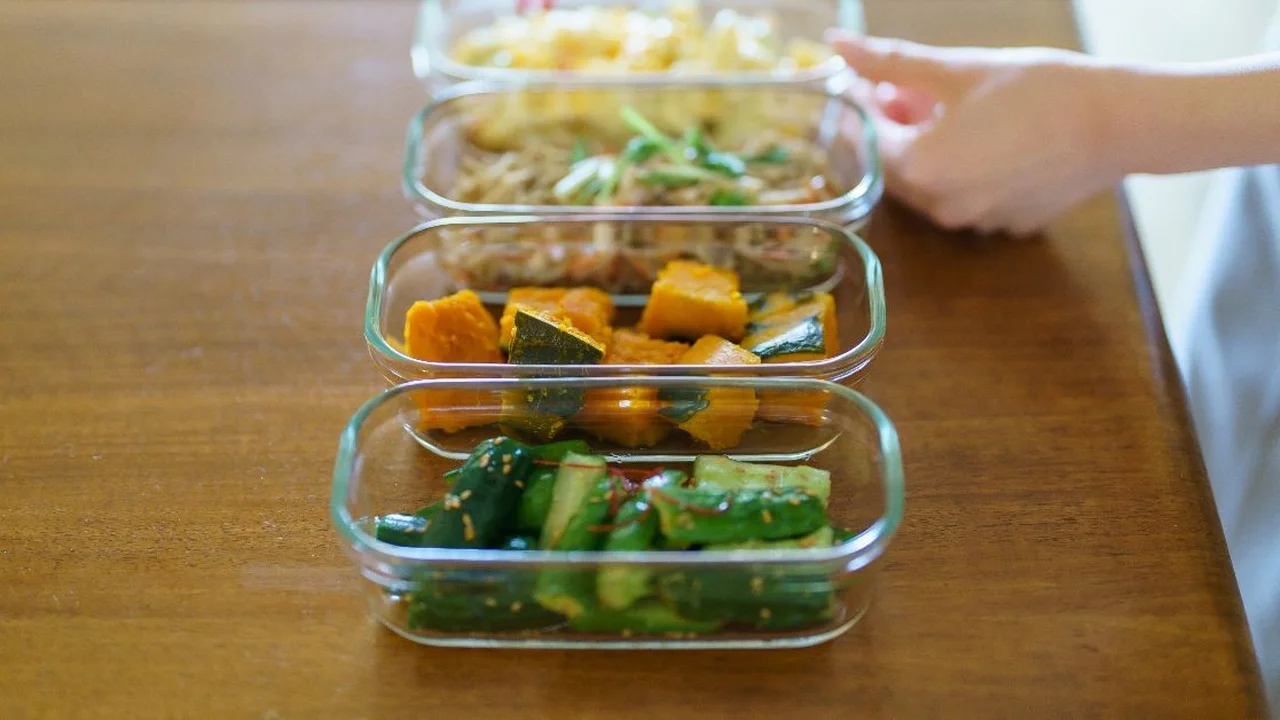
Glass food storage containers have been a staple in many kitchens for a long time, and for good reason. They are incredibly durable, non-toxic, and don't absorb odors or stains. They're perfect for meal prepping, storing leftovers, baking, and even serving directly from the container. Most come with airtight lids, often made of plastic with a silicone seal, or sometimes bamboo.
Advantages of Glass Containers Health Safety and Longevity
- Non-Toxic and Non-Reactive: Glass is inert, meaning it won't leach chemicals into your food, nor will it absorb food odors or stains. This is a huge plus for health and food purity.
- Durability and Longevity: While they can break if dropped, glass containers are incredibly long-lasting with proper care. They can withstand high temperatures, making them oven, microwave, and dishwasher safe.
- Versatility: Go from freezer to oven (without the lid, usually) to table. They're great for baking casseroles, storing soups, or packing lunches.
- Easy to Clean: Glass is super easy to clean and doesn't retain grease or food residue.
- Visibility: You can easily see what's inside, which helps reduce forgotten leftovers.
Top Glass Container Brands and Pricing
When it comes to glass, quality and lid design are key:
-
Pyrex Glass Food Storage Containers: Pyrex is a household name for a reason. Their borosilicate glass is known for its durability and resistance to thermal shock. They offer a wide range of shapes and sizes, typically with BPA-free plastic lids that snap on securely. A 10-piece set (5 containers with lids) can range from $25-$40 USD, depending on the retailer and specific sizes included.
Use Case: Pyrex is my go-to for baking and storing larger quantities of leftovers like pasta dishes or roasted vegetables. They stack well in the fridge.
-
Anchor Hocking Glass Food Storage Containers: Similar to Pyrex, Anchor Hocking offers high-quality tempered glass containers. They often feature a variety of lid styles, including plastic snap-on lids and sometimes glass lids with silicone seals for an even more eco-friendly option. A 10-piece set might be priced similarly to Pyrex, around $20-$35 USD.
Use Case: I find Anchor Hocking containers great for meal prepping individual portions of salads or grain bowls, as they come in convenient single-serving sizes.
-
Weck Jars: For a more aesthetic and traditional approach, Weck jars are a beautiful option. These German-made glass jars come with glass lids, rubber rings, and metal clamps for an airtight seal. They are perfect for canning, dry food storage, fermenting, and even storing leftovers. They come in a vast array of shapes and sizes. A set of 6 small jars (e.g., 1/2 liter) might cost around $25-$35 USD, with individual jars ranging from $4-$10 USD.
Use Case: Weck jars are my favorite for storing homemade jams, pickles, or even overnight oats. They look fantastic on open shelving in the pantry.
Stainless Steel Food Storage Containers The Lightweight and Indestructible Option
Finally, let's talk about stainless steel food storage containers. These are the champions of durability and lightweight design. Made from food-grade stainless steel, they are virtually indestructible, making them perfect for packing lunches, picnics, or for anyone who needs a robust, long-lasting solution. They don't absorb odors or stains and are incredibly easy to clean. While they aren't microwave-safe, their other benefits often outweigh this limitation.
Why Stainless Steel Containers Are a Sustainable Choice Robust and Safe
- Extreme Durability: Stainless steel is incredibly tough. It won't shatter like glass or degrade like plastic, making it a lifetime investment.
- Lightweight: Compared to glass, stainless steel is much lighter, making it ideal for carrying lunches or snacks on the go.
- Non-Toxic and Non-Reactive: Like glass, stainless steel is a safe, inert material that won't leach chemicals into your food.
- Easy to Clean: Dishwasher safe and resistant to stains and odors.
- Temperature Retention: Some stainless steel containers are insulated, keeping food hot or cold for hours.
Recommended Stainless Steel Products and Pricing
Look for food-grade stainless steel (e.g., 18/8 or 304 grade) for the best quality:
-
LunchBots Stainless Steel Food Containers: LunchBots are renowned for their high-quality, durable stainless steel containers, especially popular for packing lunches. They offer various sizes and configurations, including containers with multiple compartments, perfect for keeping different food items separate. Most come with a leak-proof lid (often made with silicone seals). A single large container with dividers might cost around $25-$35 USD. Smaller snack containers are typically $15-$20 USD.
Use Case: LunchBots are my absolute favorite for packing my kids' school lunches. The compartments are perfect for a main dish, fruit, and a snack, and they hold up to daily abuse.
-
U Konserve Stainless Steel Containers: U Konserve offers a wide range of stainless steel containers, including round and rectangular shapes, with leak-proof silicone lids. They are known for their robust construction and versatility. They also offer insulated food jars. A set of 3 round containers with silicone lids might be around $40-$50 USD. Individual containers range from $15-$30 USD.
Use Case: I use U Konserve containers for storing dry goods in the pantry, like nuts or seeds, and also for packing salads or leftovers for work. The silicone lids are very secure.
-
Klean Kanteen Food Canisters: While primarily known for their water bottles, Klean Kanteen also makes excellent insulated stainless steel food canisters. These are fantastic for keeping food hot or cold for hours, making them ideal for soups, stews, or ice cream on the go. They come with leak-proof lids. A 16 oz (473 ml) insulated food canister typically costs around $30-$35 USD.
Use Case: Perfect for taking hot soup to a winter picnic or keeping a fruit salad chilled during a summer outing. A real lifesaver for temperature-sensitive foods.
Making the Right Choice for Your Sustainable Kitchen Practical Considerations
So, how do you decide which of these fantastic sustainable food storage solutions is right for you? It really comes down to your specific needs, lifestyle, and what kind of food you're typically storing. Here are a few things to consider:
Food Type and Storage Needs Matching Solutions to Your Groceries
- Leftovers and Meal Prep: Glass containers are excellent for this, especially if you want to reheat in the microwave or oven. Silicone bags and Zip Tops are also great for portioning and freezing.
- Fresh Produce: Beeswax wraps are surprisingly good for keeping certain fruits and vegetables (like half an onion, avocado, or leafy greens) fresh by allowing them to breathe. Silicone bags are also great for berries or chopped veggies.
- Dry Goods: Glass jars (like Weck) or stainless steel containers are perfect for pantry staples like grains, pasta, nuts, and seeds.
- On-the-Go Meals and Snacks: Stainless steel containers (especially those with compartments) and silicone bags are lightweight and durable for packing lunches. Insulated stainless steel canisters are ideal for hot or cold meals.
- Freezing: Silicone bags and glass containers (ensure they are freezer-safe and leave headspace for expansion) are your best bet.
Budget and Investment Cost vs Longevity
While the initial investment in sustainable food storage can seem higher than buying a pack of disposable plastic bags or cheap plastic containers, remember that you're investing in products that will last for years. Over time, you'll save money by not having to constantly repurchase disposables. Consider starting with a few key pieces and gradually building your collection.
Ease of Cleaning and Maintenance Keeping Your Storage Hygienic
Most of these options are dishwasher safe, which is a huge convenience. Beeswax wraps require hand washing with cool water and mild soap to preserve their coating. Silicone can sometimes retain a faint smell from strong foods, but a baking soda soak usually takes care of it. Glass and stainless steel are generally the easiest to keep pristine.
Space and Organization Maximizing Your Kitchen Storage
Consider how much space you have. Silicone bags are great for small kitchens as they flatten. Glass and stainless steel containers often stack well. Weck jars, while beautiful, can take up more space due to their shape.
Beyond the Products Sustainable Food Storage Habits
Remember, sustainable food storage isn't just about the products you use; it's also about your habits! Here are a few extra tips to maximize freshness and minimize waste:
- Proper Cooling: Always cool hot food before storing it in the fridge to prevent condensation and bacterial growth.
- Labeling: Labeling your containers with the date and contents helps you keep track of what you have and when it needs to be eaten.
- First In, First Out (FIFO): Try to eat older food items before newer ones.
- Understand Your Fridge: Different areas of your fridge have different temperatures. Store milk and dairy in colder spots, and produce in crisper drawers.
- Portion Control: Store food in appropriate portion sizes to avoid opening and re-sealing large containers repeatedly, which can expose food to air.
By integrating these sustainable food storage solutions and habits into your daily routine, you're not just keeping your food fresher; you're actively contributing to a healthier planet and a more mindful way of living. It's a journey, not a destination, and every small step makes a big difference. Happy storing!
:max_bytes(150000):strip_icc()/277019-baked-pork-chops-with-cream-of-mushroom-soup-DDMFS-beauty-4x3-BG-7505-5762b731cf30447d9cbbbbbf387beafa.jpg)